Gitana 18: The Next Generation of Offshore Flight
01.11.2026 | News
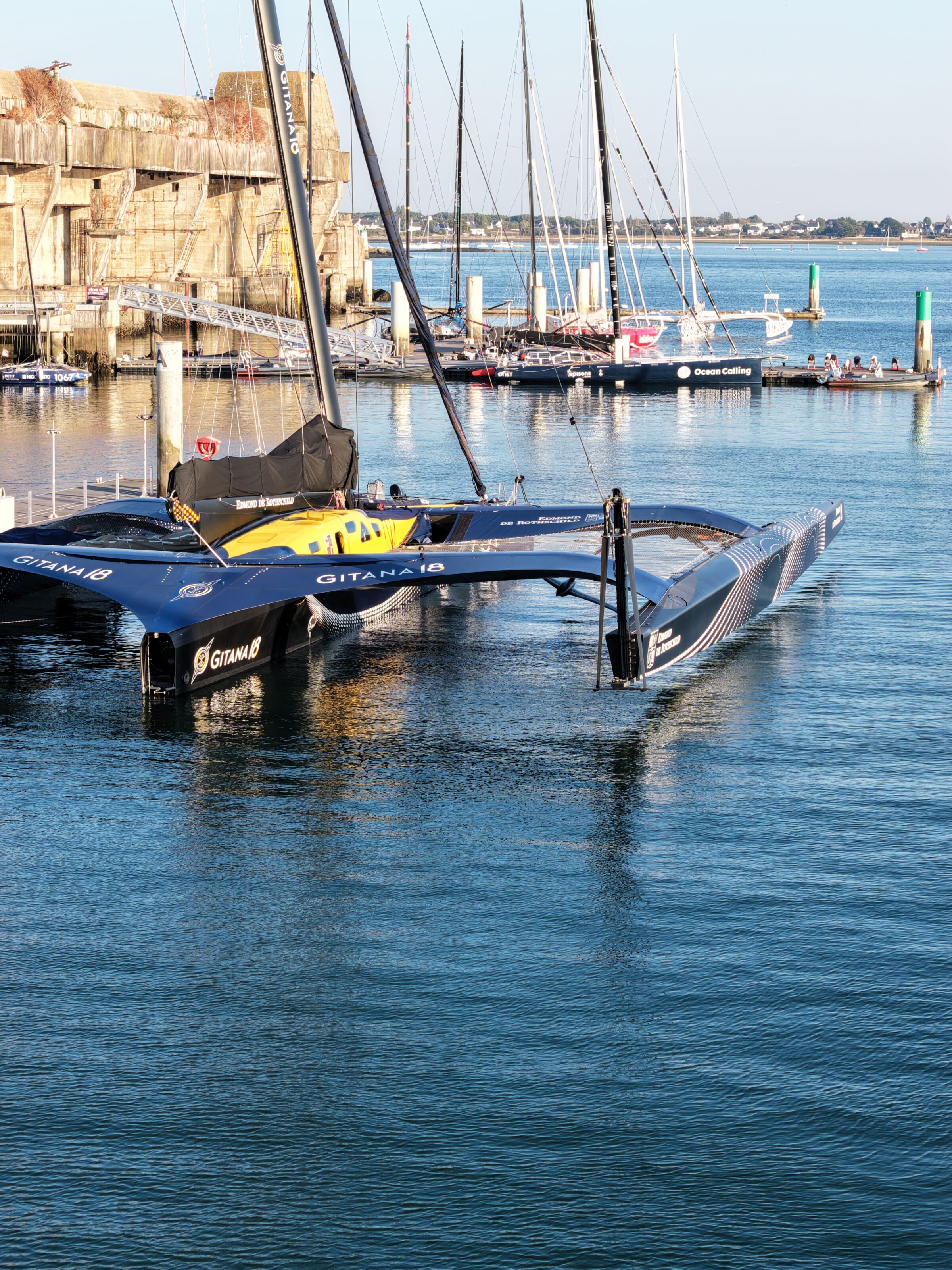

As the Route du Rhum gets underway, the new Maxi Edmond de Rothschild offers a look at where high-performance multihull sailing is heading.
When I was in Lorient recently, I had the chance to see Gitana 18 up close. It's hard not to stop and take notice.
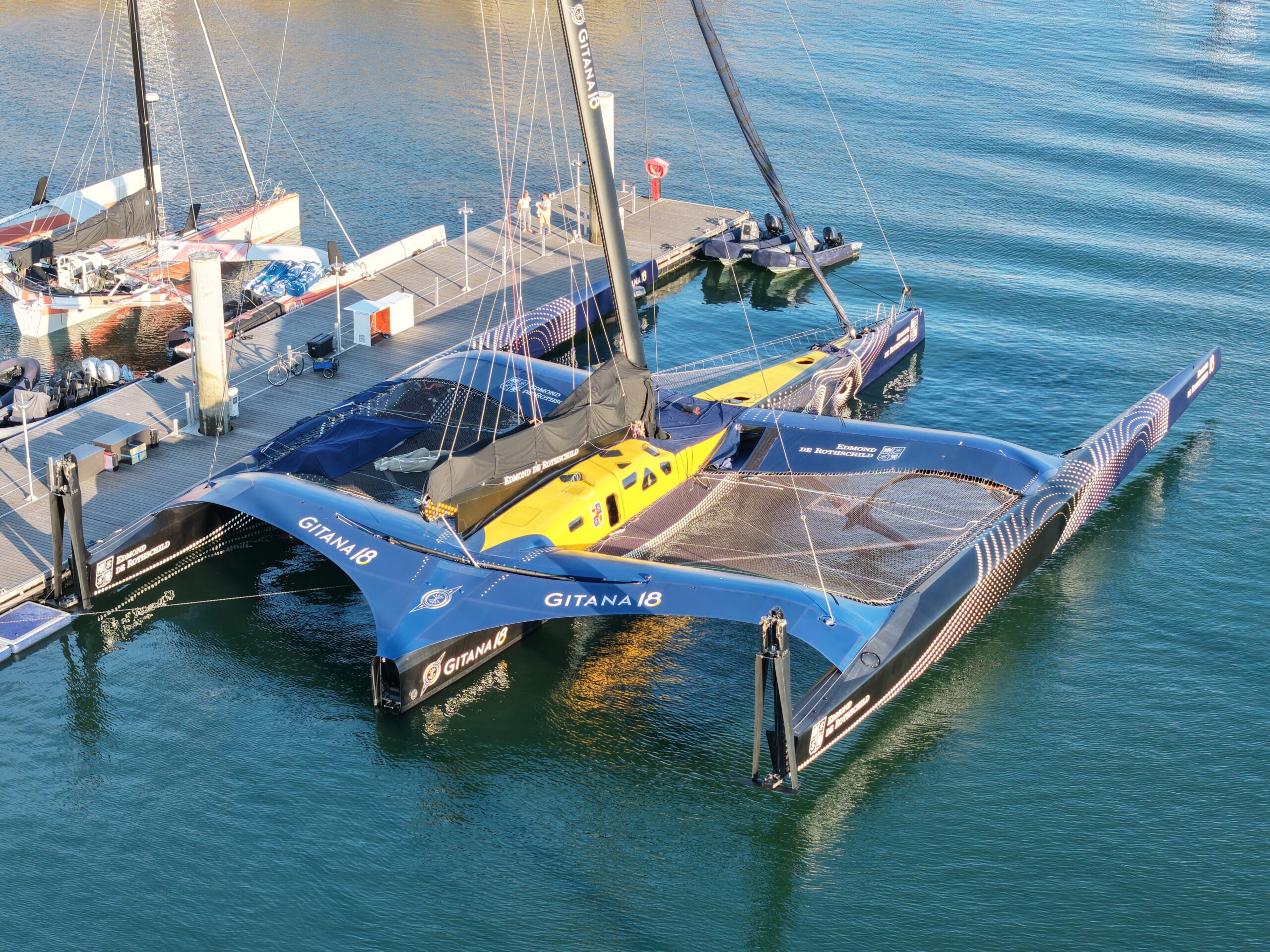
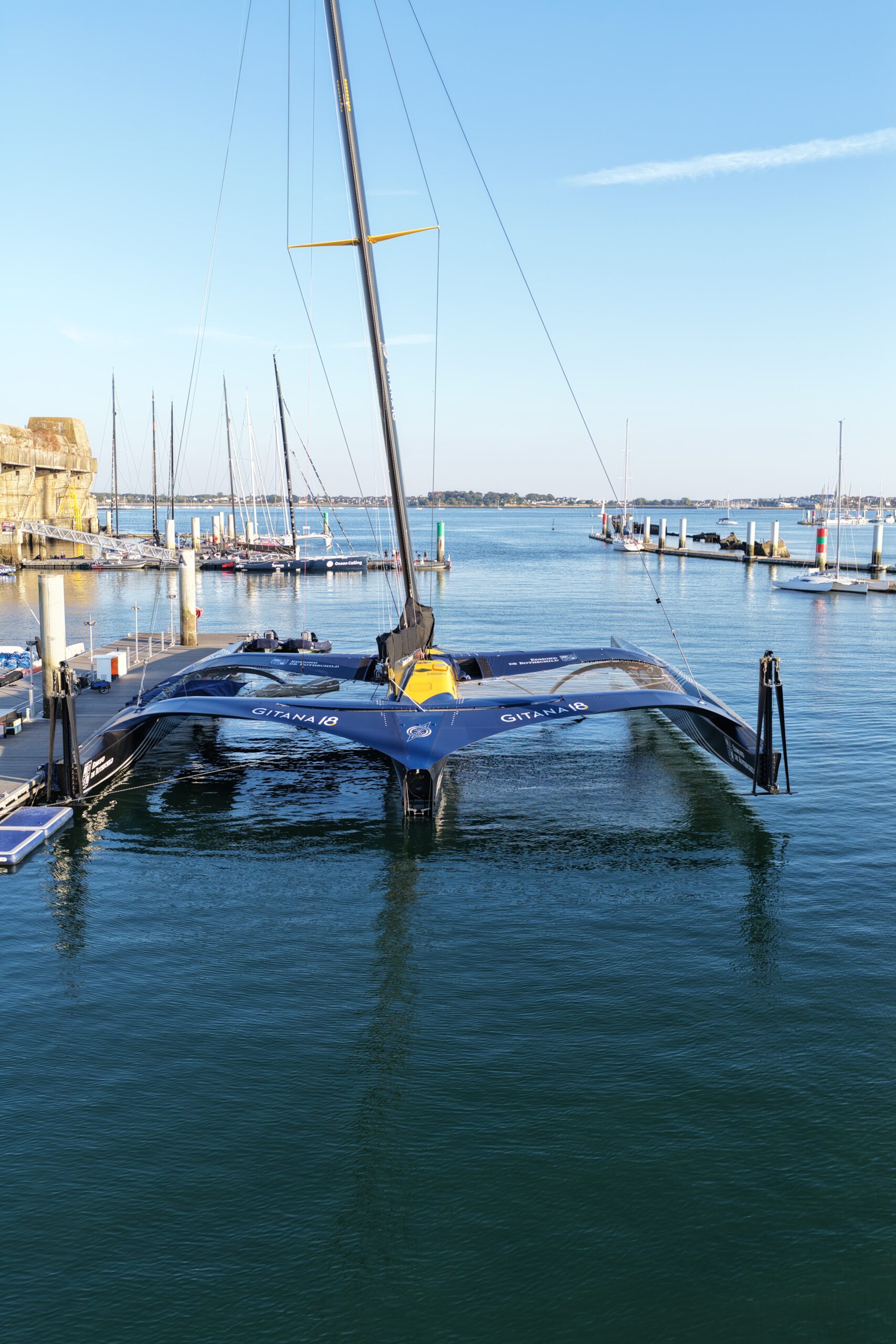
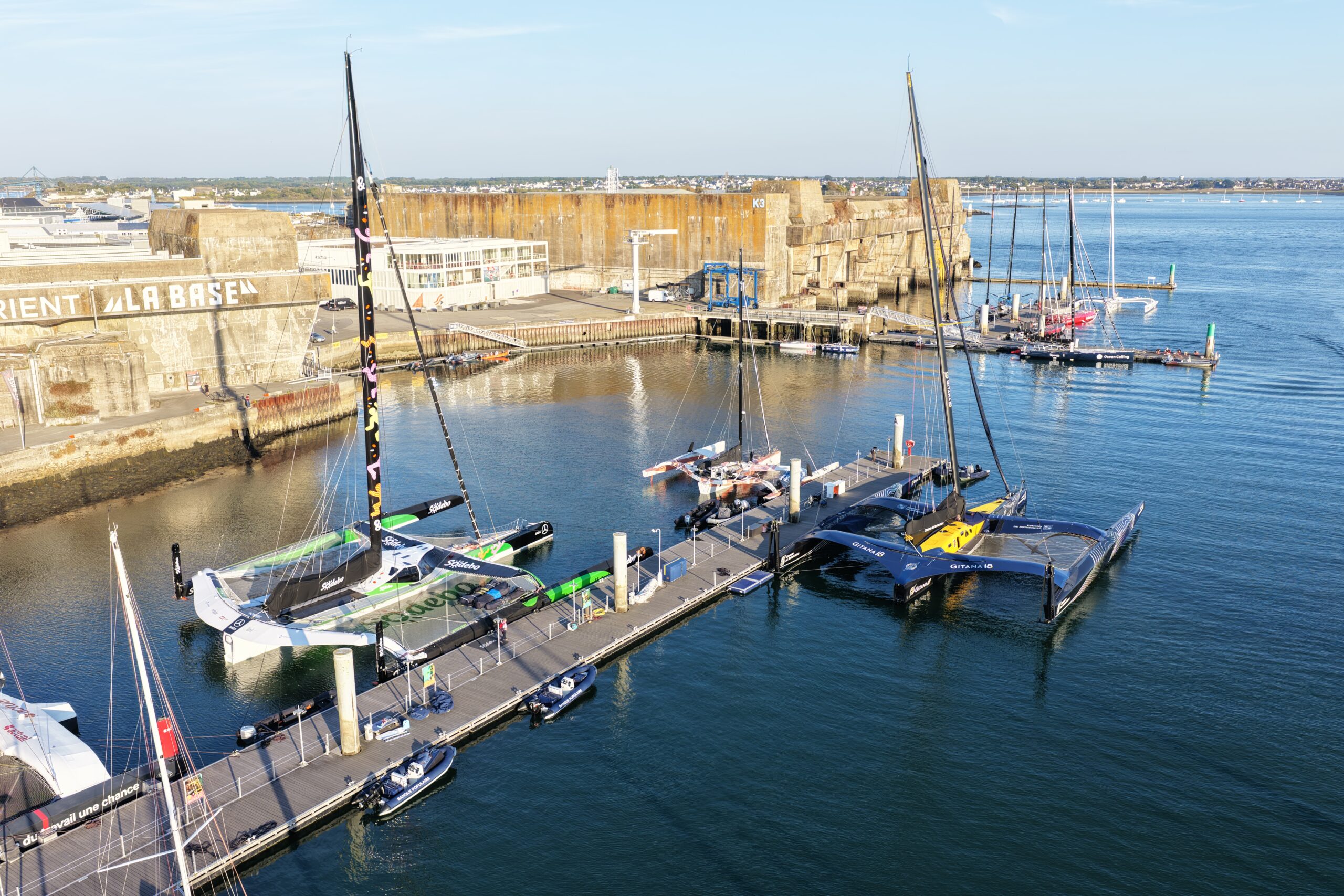

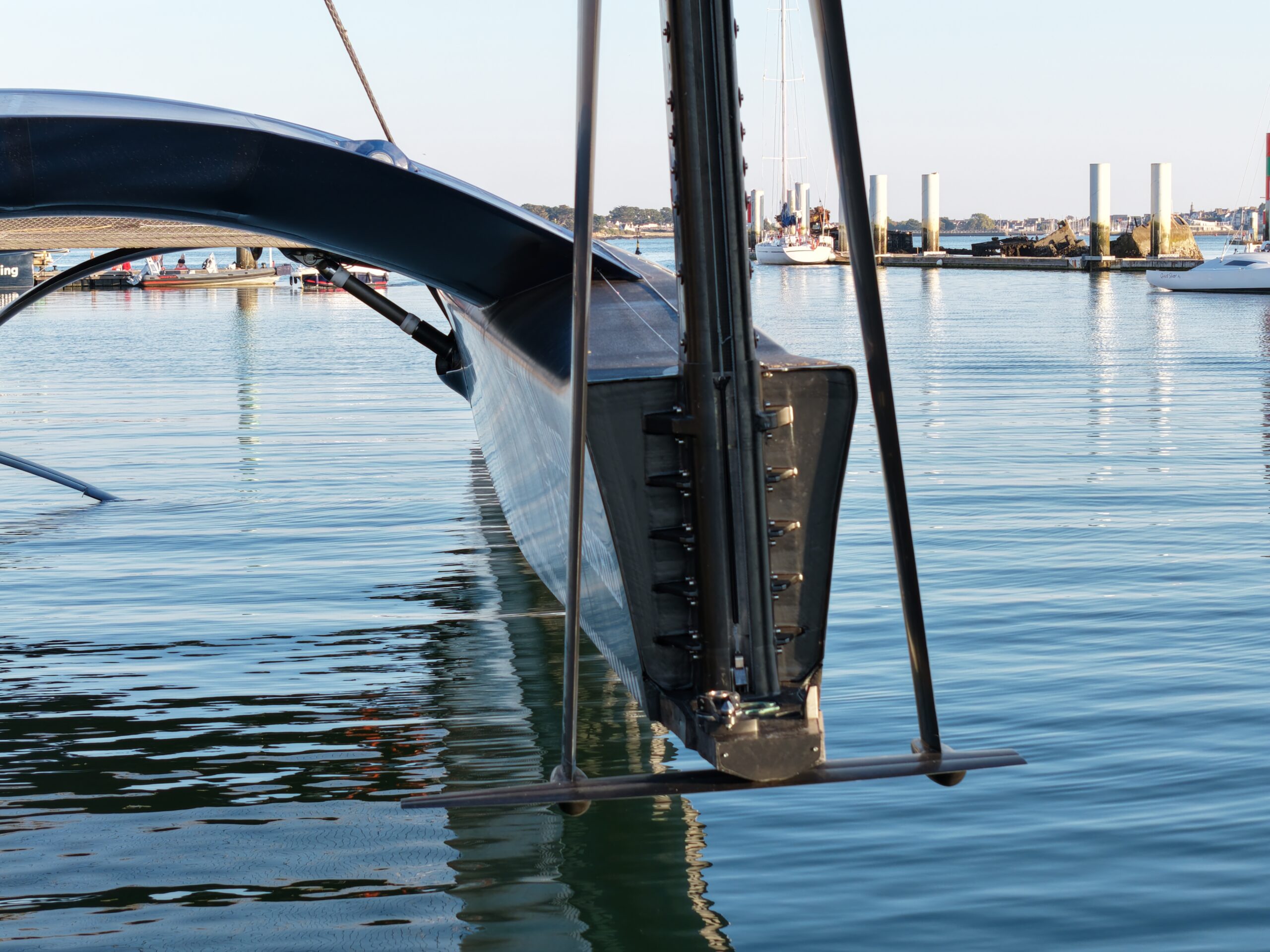
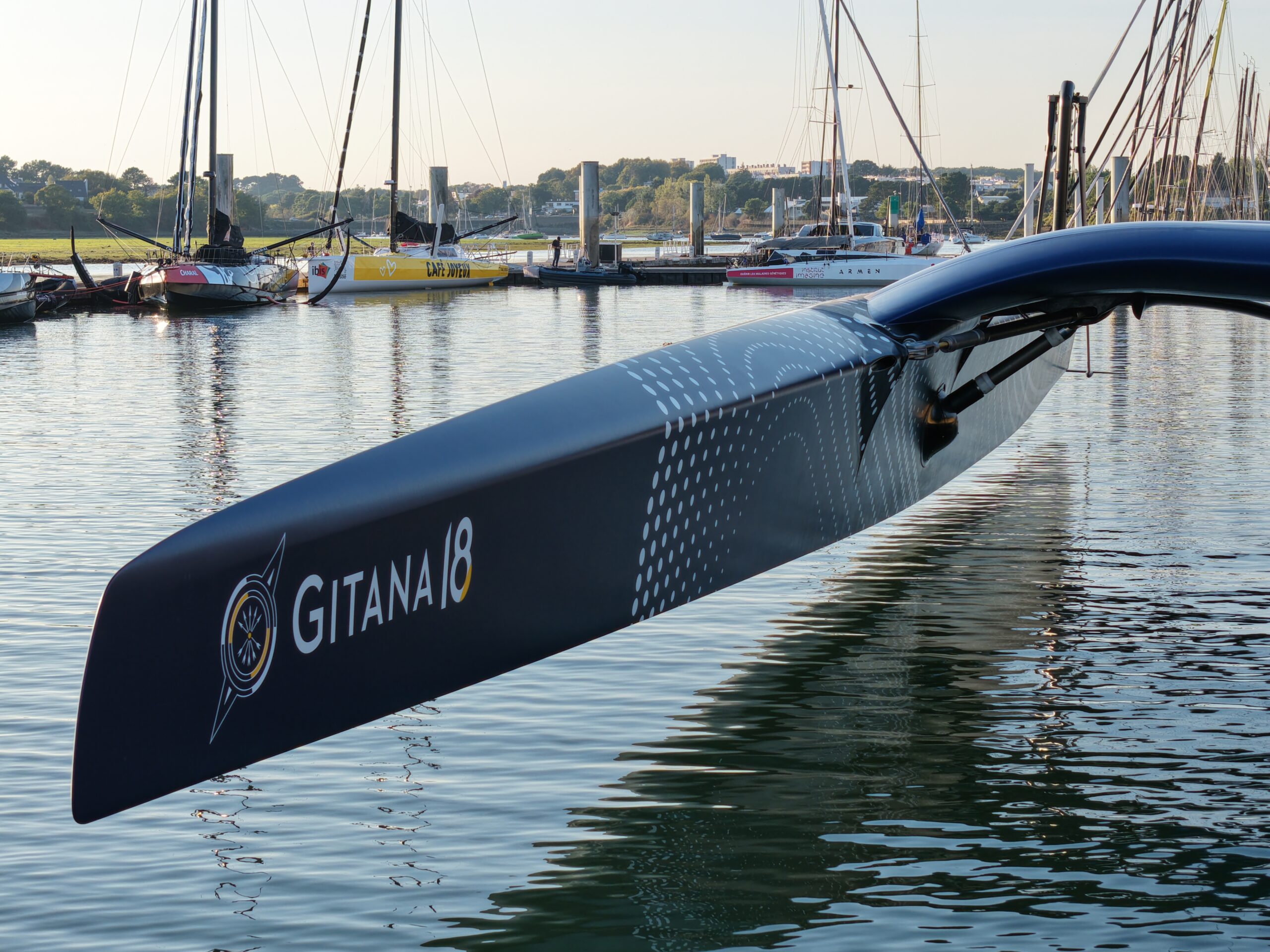
At 32 meters long, this is a serious piece of engineering, and one that gives you a pretty clear idea of where offshore multihull development is heading.
The new Maxi Edmond de Rothschild is the latest step in the evolution of the Ultim class. Designed by Guillaume Verdier in collaboration with the Gitana design office and built by CDK Technologies, she has been developed with one clear objective: to push the limits of sustained flight offshore.
As the Route du Rhum gets underway today, skipper Charles Caudrelier and the Gitana team are setting out to defend their 2022 victory. But Gitana 18 is more than a new boat for an existing campaign. She represents a significant change in how these machines are designed to perform across an ocean.
Earlier this year, we sat down with offshore sailing veteran Brian Thompson during the Caribbean racing season to talk about the development of performance multihulls. Brian has spent decades pushing these boats hard, from early trimaran designs to record- breaking ocean passages aboard some of the fastest multihulls in the world.
One of the most interesting parts of that conversation was his explanation of the difference between a MOD70 and a modern Ultim.
A MOD70 uses its foils to reduce drag and lift the leeward hull, but the central hull remains in contact with the water. Modern Ultims are designed to take that further, lifting the central hull as well and flying clear of the surface.
That distinction matters. Once the central hull is clear of the water, the design challenge changes. It's no longer simply about reducing drag. It's about managing lift, pitch, stability, and the loads generated by a boat traveling at extreme speeds through open-ocean conditions.
Gitana 18 has been designed around that challenge.
A new approach to foils

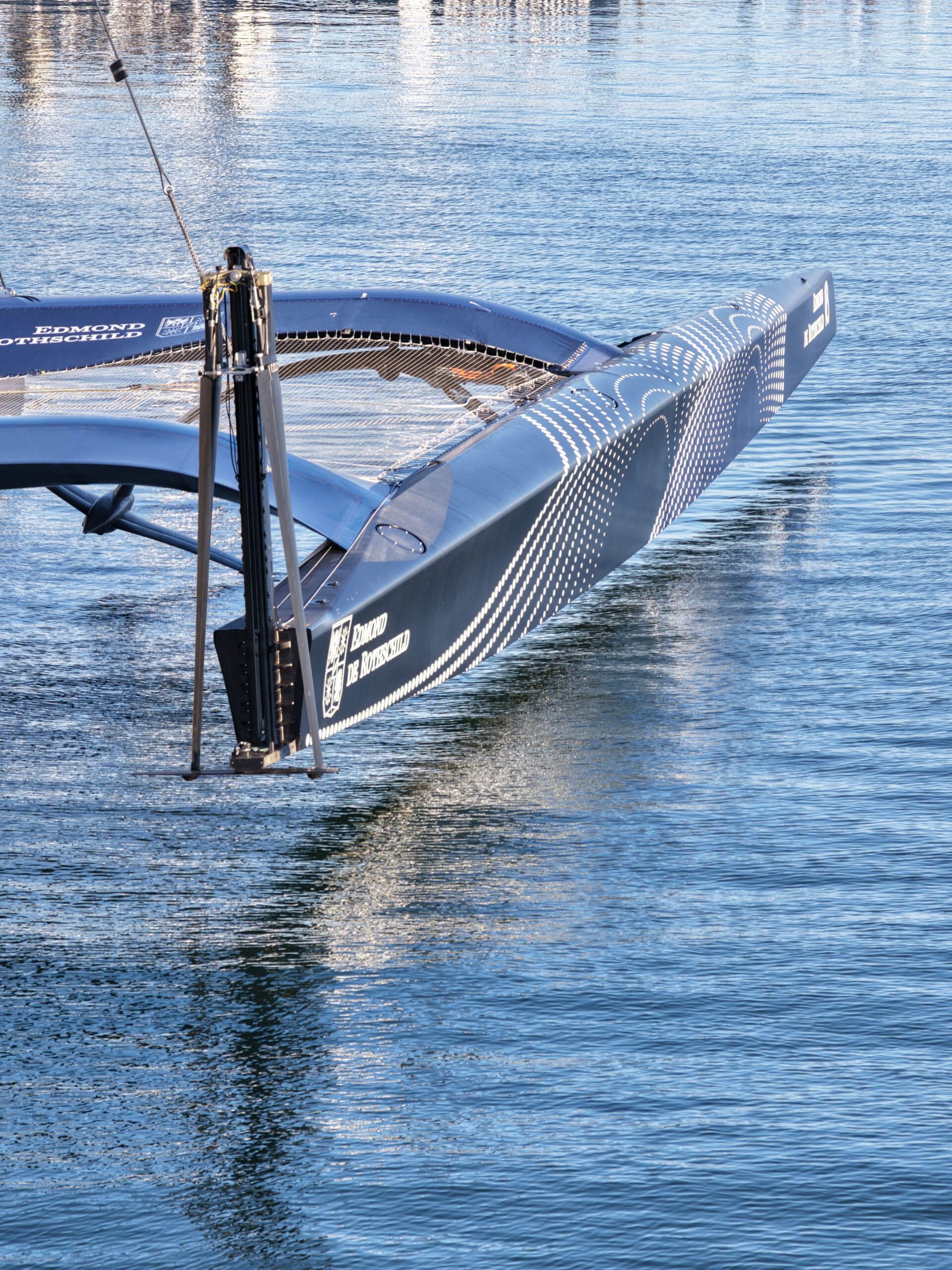
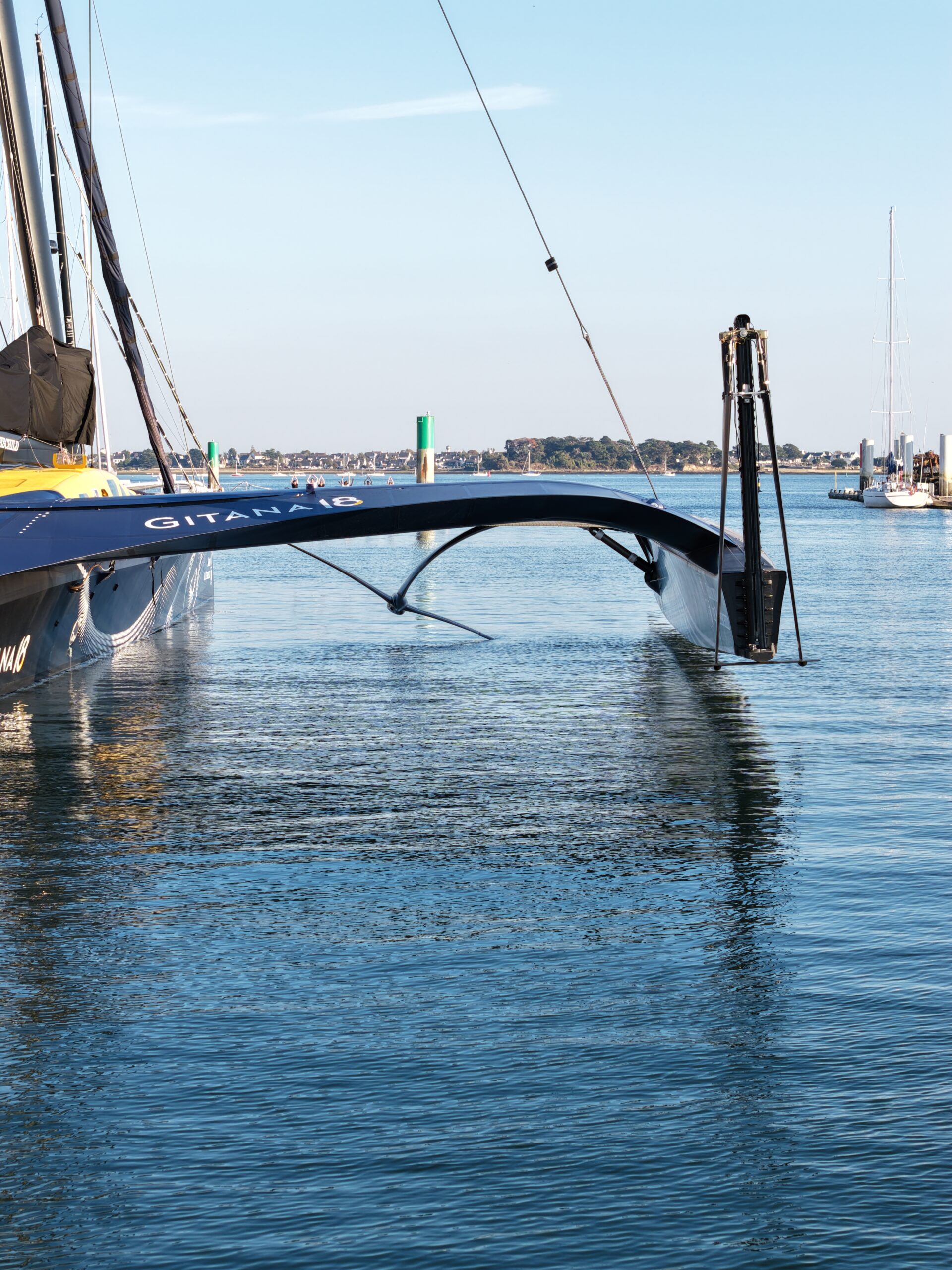
The most striking feature of Gitana 18 is her new foil configuration.
Her large, Y-shaped pendulum foils are a departure from the more conventional arrangements seen on earlier generations of offshore multihulls. The system allows the team to explore new ways of generating lift and managing the loads acting on the platform.
The foils are only one part of the equation. A boat capable of sustained flight needs to maintain control as wind strength, sea state, and sailing angles change. Lift that works well in one set of conditions can become a liability in another.
That is where the engineering becomes particularly interesting. The design has to balance speed with control, and theoretical performance with what can actually be managed offshore.
Gitana 18's central T-foil, float foils and rudder system work together as part of a much larger design. The hull shapes, rig, structure and control systems all have to work in combination. Improving one component in isolation is not enough.
The objective is not simply to fly, but to sustain flight across the Atlantic.
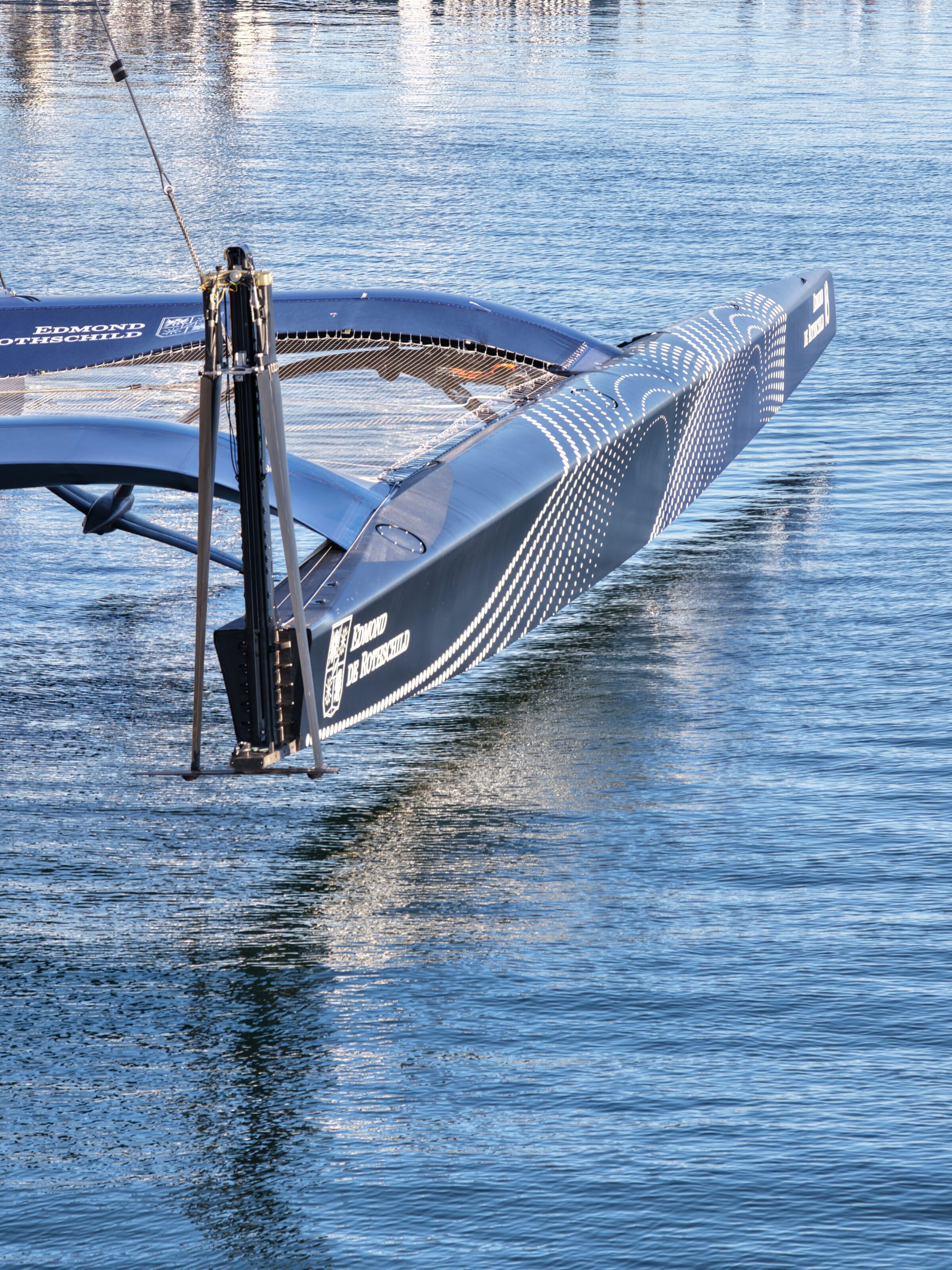
Engineering for the open ocean
The scale of the project gives some indication of the challenge. Gitana 18 measures 32 meters in length and 23 meters across the beam. The platform represents around 200,000 hours of construction and 50,000 hours of design and development work.
Approximately 80% of the platform was manufactured using autoclave processes, helping achieve the precision and structural properties required for a boat of this type.
There is also a substantial systems challenge. The boat incorporates around 500 sensors and eight kilometers of electrical cabling. Those figures tell a story of their own: modern offshore racing is increasingly about the integration of data, engineering and human decision-making.
But adding complexity does not automatically make a boat faster. Every system introduces weight, maintenance requirements and potential failure points. The real test is whether the technology delivers a performance advantage that can be used reliably at sea.
For a solo skipper, that distinction is critical. There is little value in designing a boat that can achieve extraordinary speeds for short periods if those speeds cannot be sustained safely across an ocean.
The human element
This is where the Route du Rhum becomes such an interesting test.
Covering approximately 3,500 nautical miles from Saint-Malo to Guadeloupe, the race demands more than outright speed. It requires sound judgment, careful weather routing and the ability to manage a boat when conditions are far from ideal.
As Brian explained in our earlier conversation, the performance difference between a MOD70 and an Ultim is significant. Modern Ultims are designed to lift the central hull as well as the leeward hull, reducing drag across the platform.
The challenge for Caudrelier is to make the most of that performance over an entire Atlantic crossing, managing the boat's speed, systems and handling alone.
The performance difference is significant. As Brian put it, “Ultims can reach 45 knots. On Argo, we're typically operating in the 30 to 35 knot range.”
Seeing Gitana 18 in Lorient brings that evolution into focus. This is a different level of offshore multihull development, with the design pushing further into sustained flight and the control needed to make it work across an ocean.
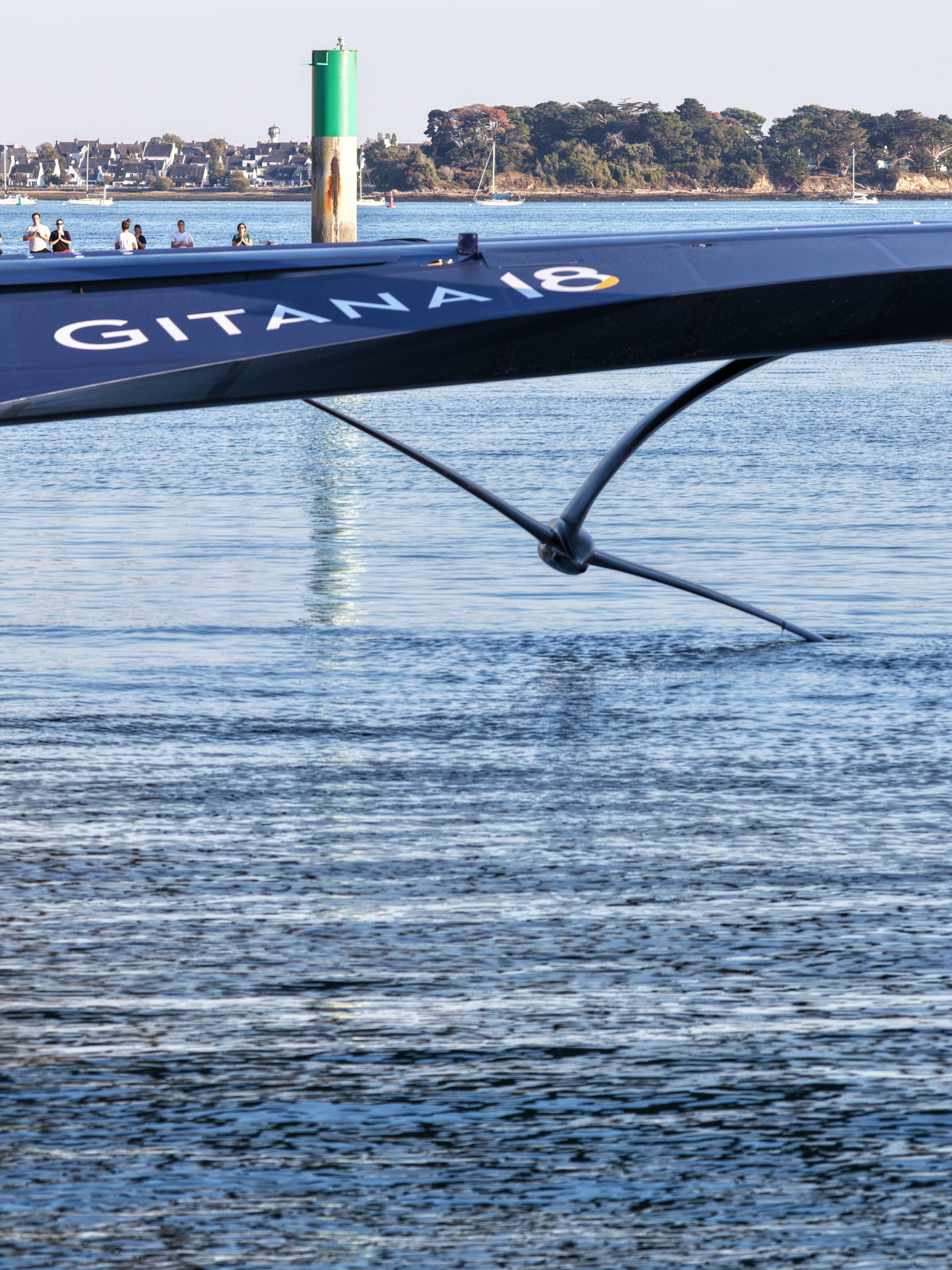
What comes next?
Gitana 18 is an ambitious step forward, and the Route du Rhum now provides the first major test of the design in competition. How the boat performs across the Atlantic will tell us more than any set of technical specifications can.
For those of us working with performance multihulls, these developments are worth following closely. The technology at the top end of offshore racing continues to evolve, and the lessons extend beyond the racecourse. Foil design, weight management, structural engineering and systems integration all influence how we think about the next generation of high-performance boats.
Seeing Gitana 18 in Lorient brought the scale of that ambition home. You can study the specifications, but standing beside a boat of this size gives you a different appreciation of what the team has set out to achieve. The day I visited, they told me she had just recorded over 50 knots of boat speed! - Spike
The next chapter will be written at sea. With the Route du Rhum now underway, all eyes will be on Gitana 18 and what this new generation of offshore multihulls can achieve.
01° 24' 37" N, 45° 45' 46" E
Stay up to date with our latest news
Other Articles



Gitana 18: The Next Generation of Offshore Flight
01.11.2026 | News