Fastest Man on Water: Paul Larsen at the BVI Spring Regatta
20.08.2026 | News


Fastest Man on Water: Paul Larsen at the BVI Spring Regatta
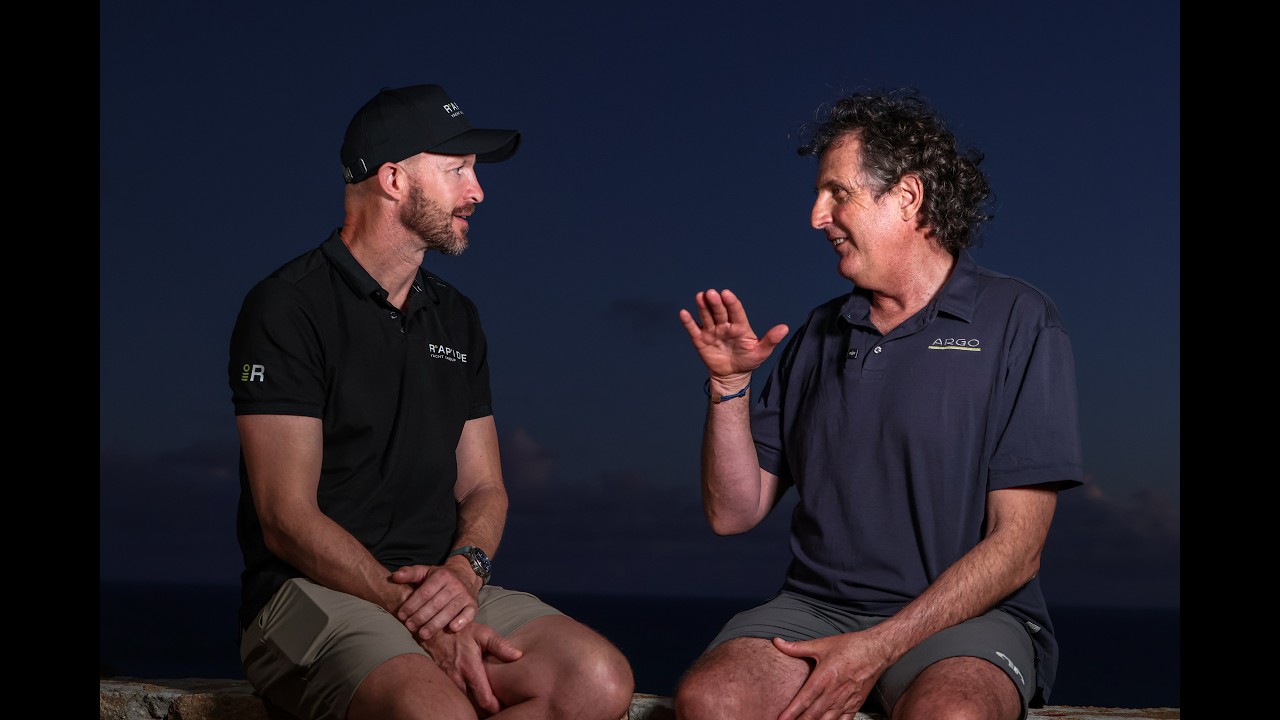
During the 2026 BVI Spring Regatta, Rapide's Spike caught up with Paul Larsen aboard Gunboat 68 Little Wing. While many sailors know Paul as the man behind the outright sailing speed record, spending time with him quickly reveals that the pursuit of speed is only part of the story.
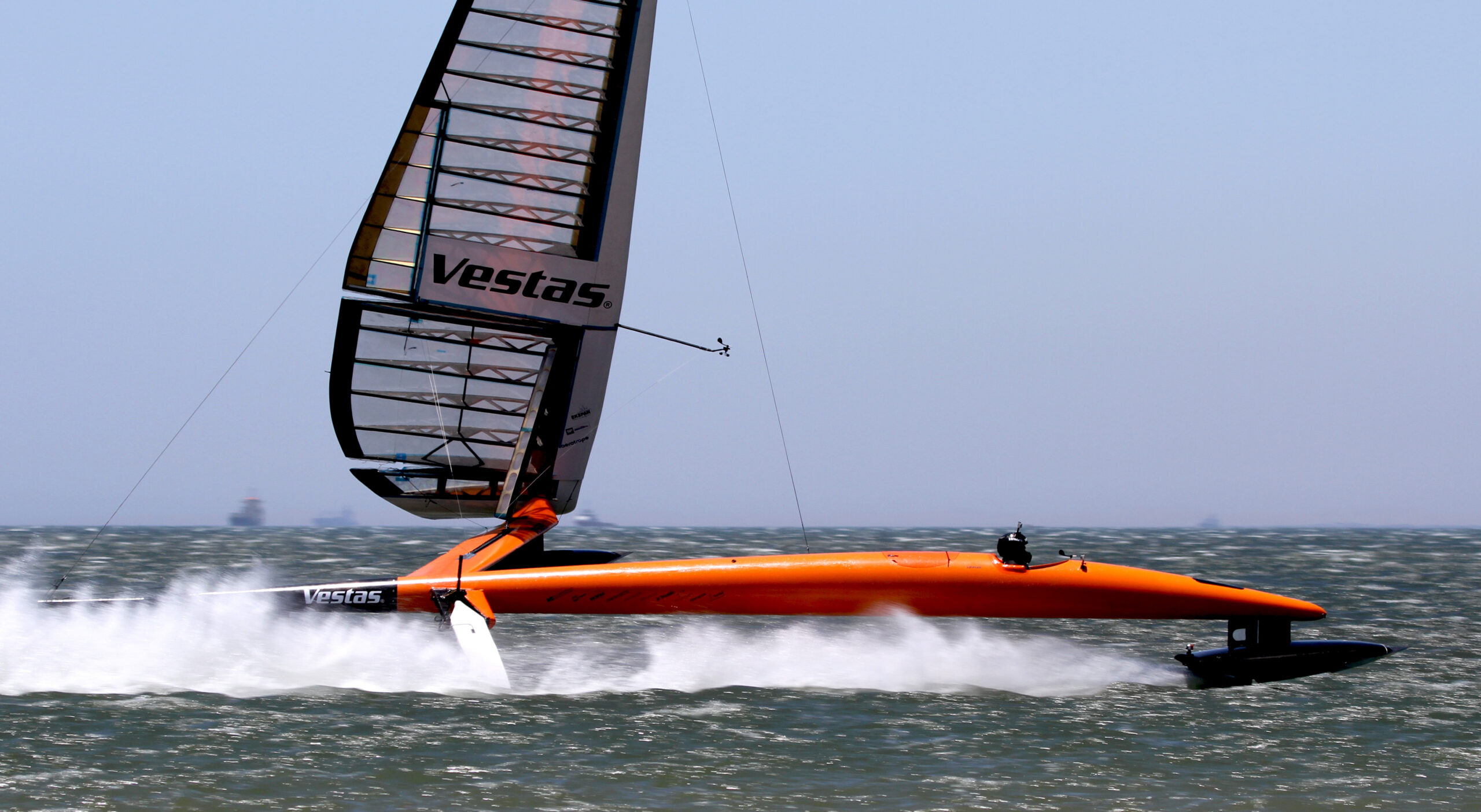
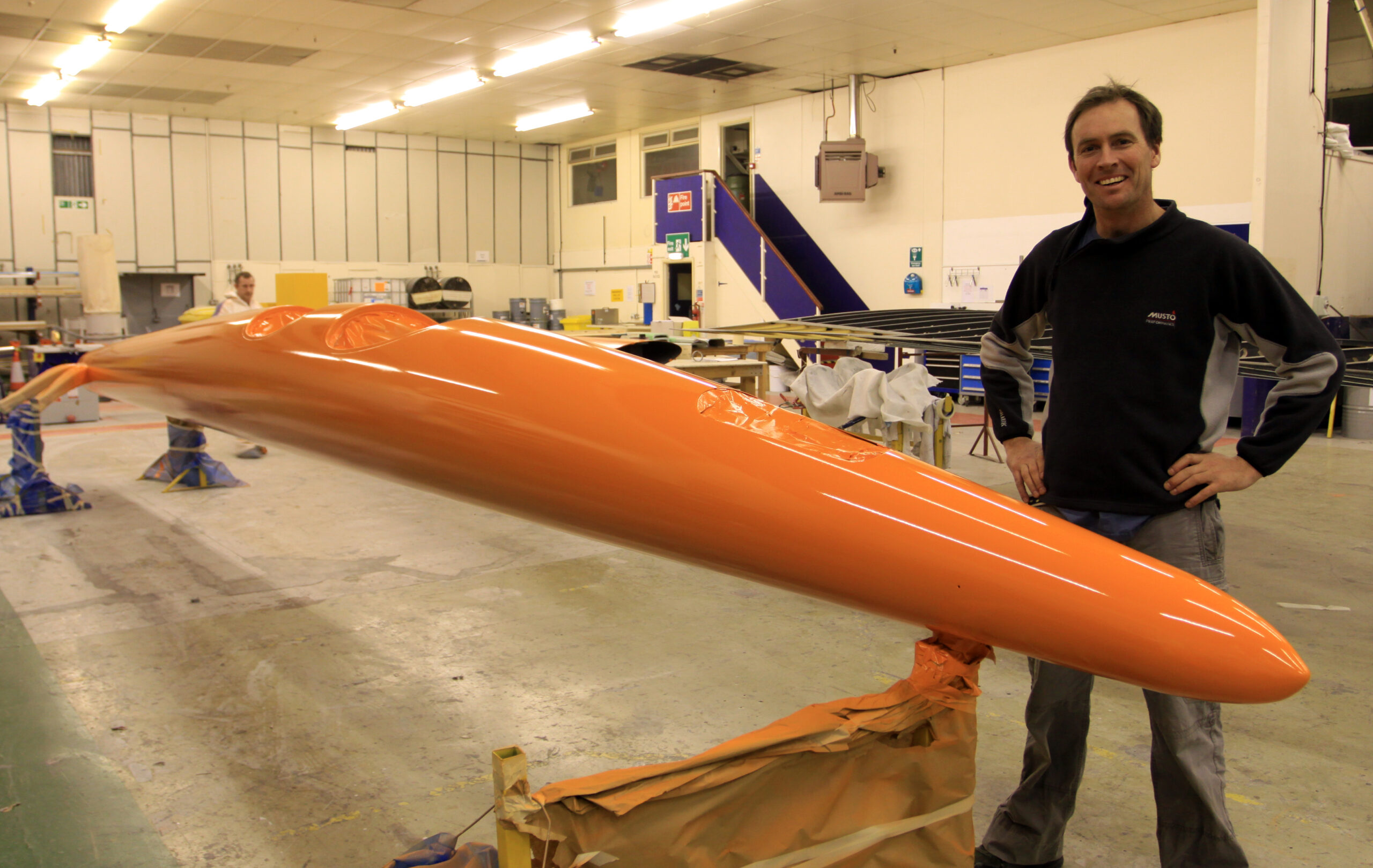
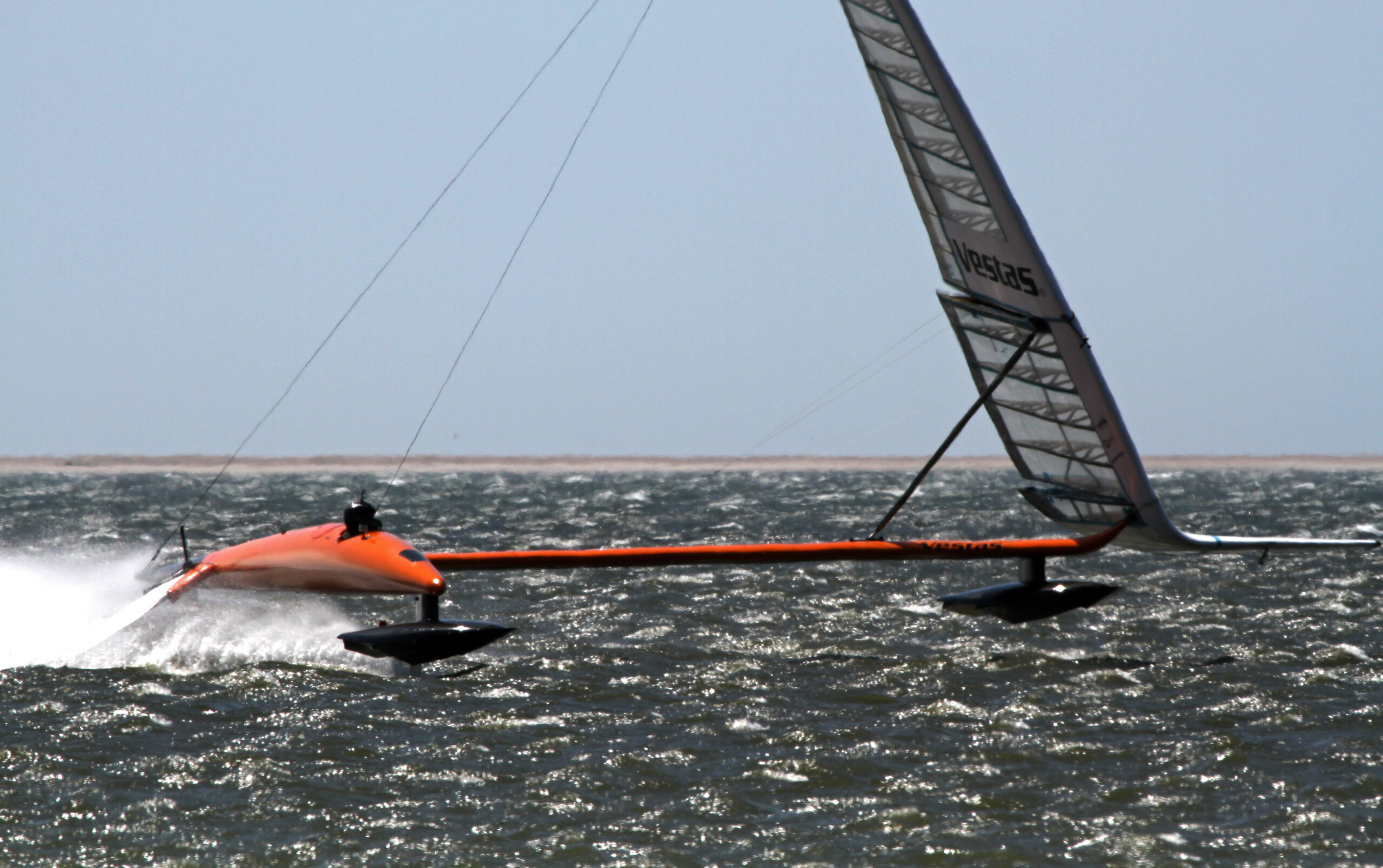
Fourteen years after setting a world record of 65.45 knots aboard Vestas Sailrocket 2, Paul speaks about the achievement with the calm perspective of someone who spent more than a decade chasing a singular goal.
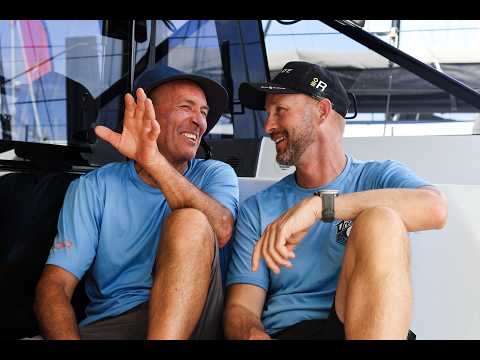
“We focused on that record for eleven years, pretty single-mindedly. Since then, I've had the opportunity to sail all the other boats that I missed out on while chasing it.”
Chasing the Ultimate Speed Record
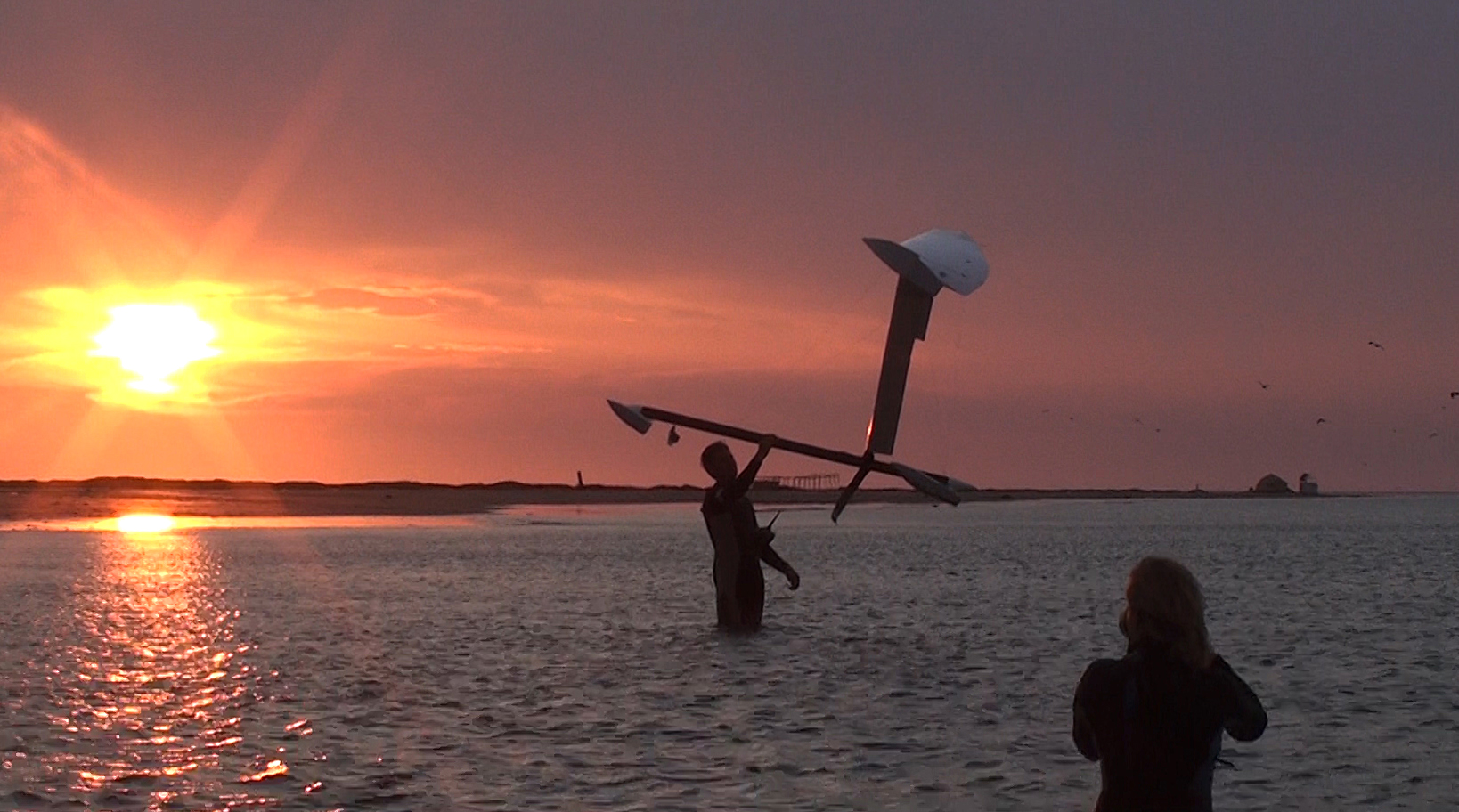
The record itself was the culmination of years of experimentation, engineering and perseverance. Once the Sailrocket team discovered the perfect location in Walvis Bay, Namibia, every aspect of the project was refined around that environment.
The combination of cold ocean currents, the surrounding desert and remarkably consistent wind created what Paul describes as "a natural wind tunnel," allowing the second iteration of Sailrocket to be designed specifically for that location.
The equation had an answer. It was 65 knots in 26 knots of wind. Everything evolved from that.
At the time, the rise of kiteboarding had pushed sailing speeds into the high 50-knot range, and many believed boats had reached a barrier imposed by cavitation, the phenomenon now familiar to followers of SailGP and the America's Cup, where water begins to vaporise around foils at extreme speeds.
Paul and the Sailrocket team set out to prove otherwise.
We said if this boat can't do it, it can't be done.”
Everything was stacked in the boat's favour: power, aerodynamics, stability and the extraordinary conditions found in Namibia.

Fourteen Seconds That Changed Everything
The breakthrough didn't come gradually. Just seven days before the record, the team had still not managed to average 50 knots.
Then everything changed.
Every time I sat in that thing, it didn't go a fraction of a knot quicker. It went three knots quicker, four knots quicker, five knots quicker.
When the record finally came, the decisive run lasted just fourteen seconds, but it represented more than a decade of relentless development.
For Paul, however, the strongest memory isn't the number itself.
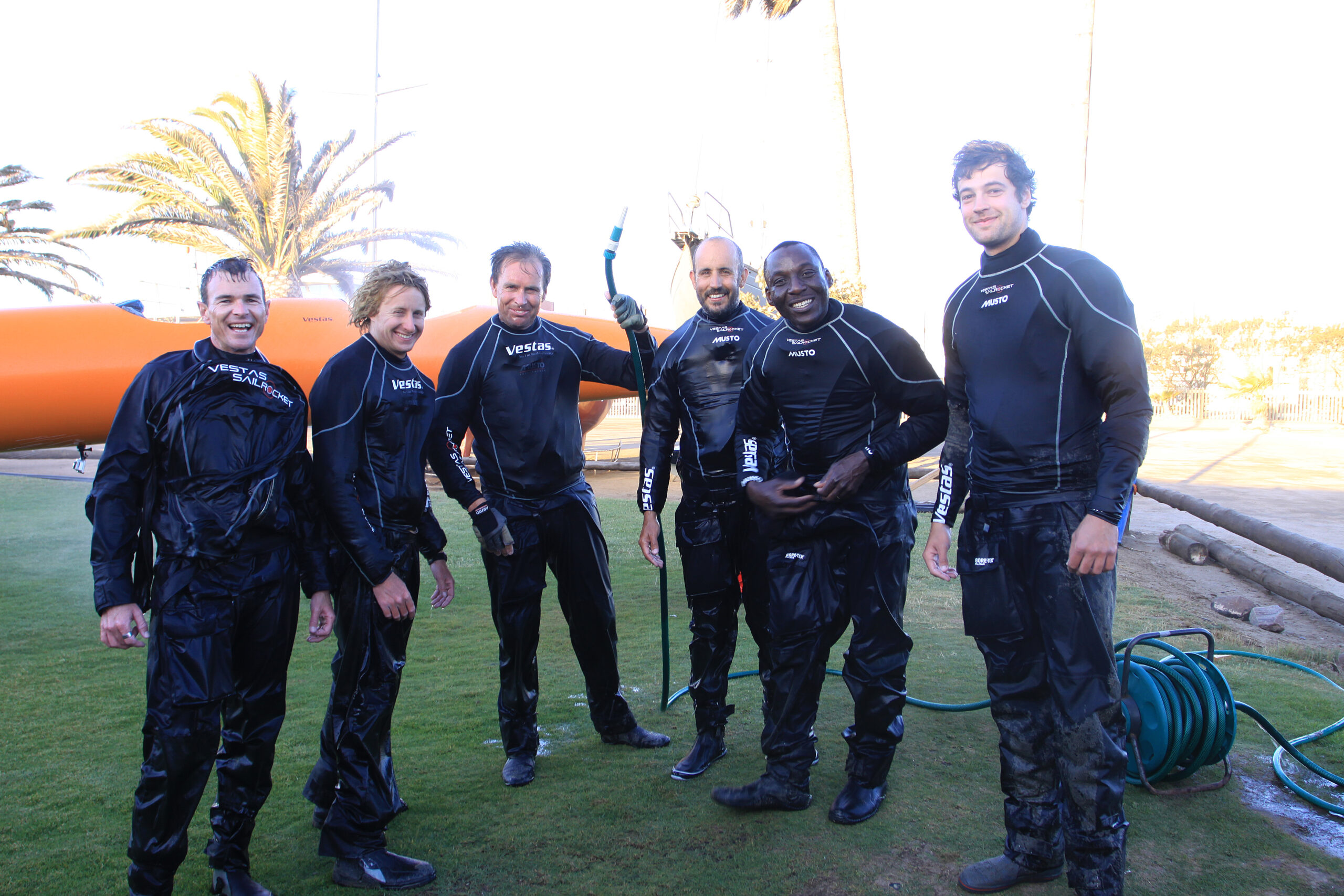
I've never been so happy washing a boat down. Thinking, this could have been washing this out instead of down.

From Record Attempts to Racing Programmes
That same philosophy of continuous optimisation is something Paul now sees throughout the modern performance multihull world.
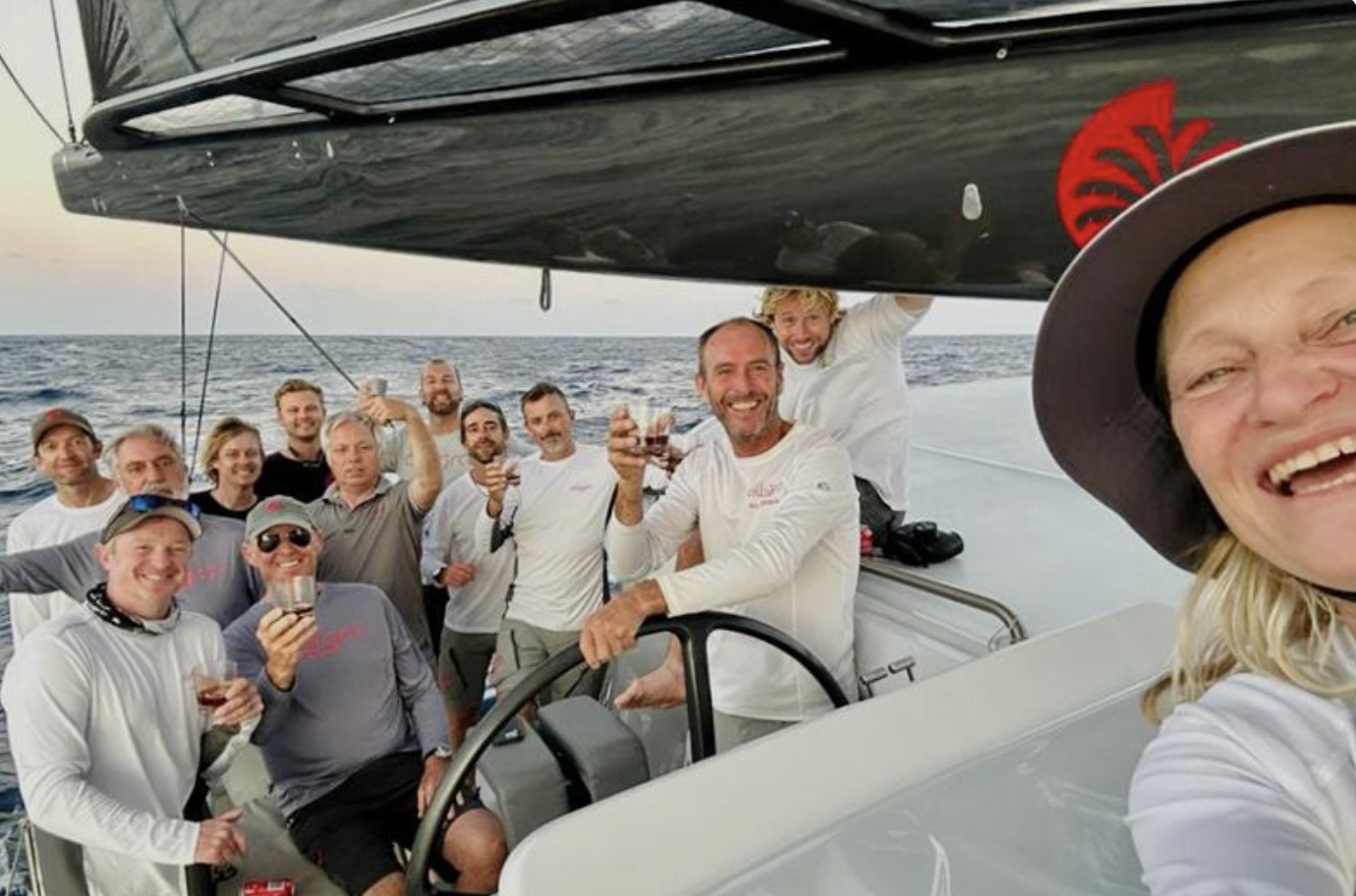
At the BVI Spring Regatta, fleets of vastly different designs lined up against each other, from high-performance trimarans and foiling cats to some of the fastest cruising catamarans afloat. Despite their differences, many finished races separated by only seconds. For Paul, that evolution is perfectly reflected in the long-running Allegra program, where he has been part of the team for over a decade
It's eleven years now and a lot of the core team is still there. We all feel a sense of ownership in the boat and pride in what it's become.
Like many successful racing programs, Allegra wasn't necessarily conceived with competition as the primary goal. Instead, it evolved as the owner, crew, and boat developed together.
Paul believes that's a common theme among performance catamaran owners.
People don't always know where the journey is going to take them. They meet the right sailors, build the right team, and suddenly they're racing competitively.
The transformation of boats like Gunboat 72 Layla is a perfect example. Originally purchased as a cruising platform, the boat has become one of the most competitive entries on the racecourse, narrowly missing out on victory at this year's regatta.

Learning Through Competition
The conversation naturally turns to Adrian Keller and the Multihull Cup, an event that has become one of the most important gatherings for performance cruising multihulls.
Paul credits Keller's commitment to creating opportunities for owners to race, learn and improve.
You always learn something when you go racing. You learn more about your boat and what it's capable of.
After a week of close racing around the islands of the British Virgin Islands, Paul's biggest takeaway wasn't speed, technology or boat design. It was how competitive the racing had become across such a diverse fleet.
We all complain about ratings at some point. But somehow they managed to get very different boats finishing within seconds of each other. That's pretty impressive.
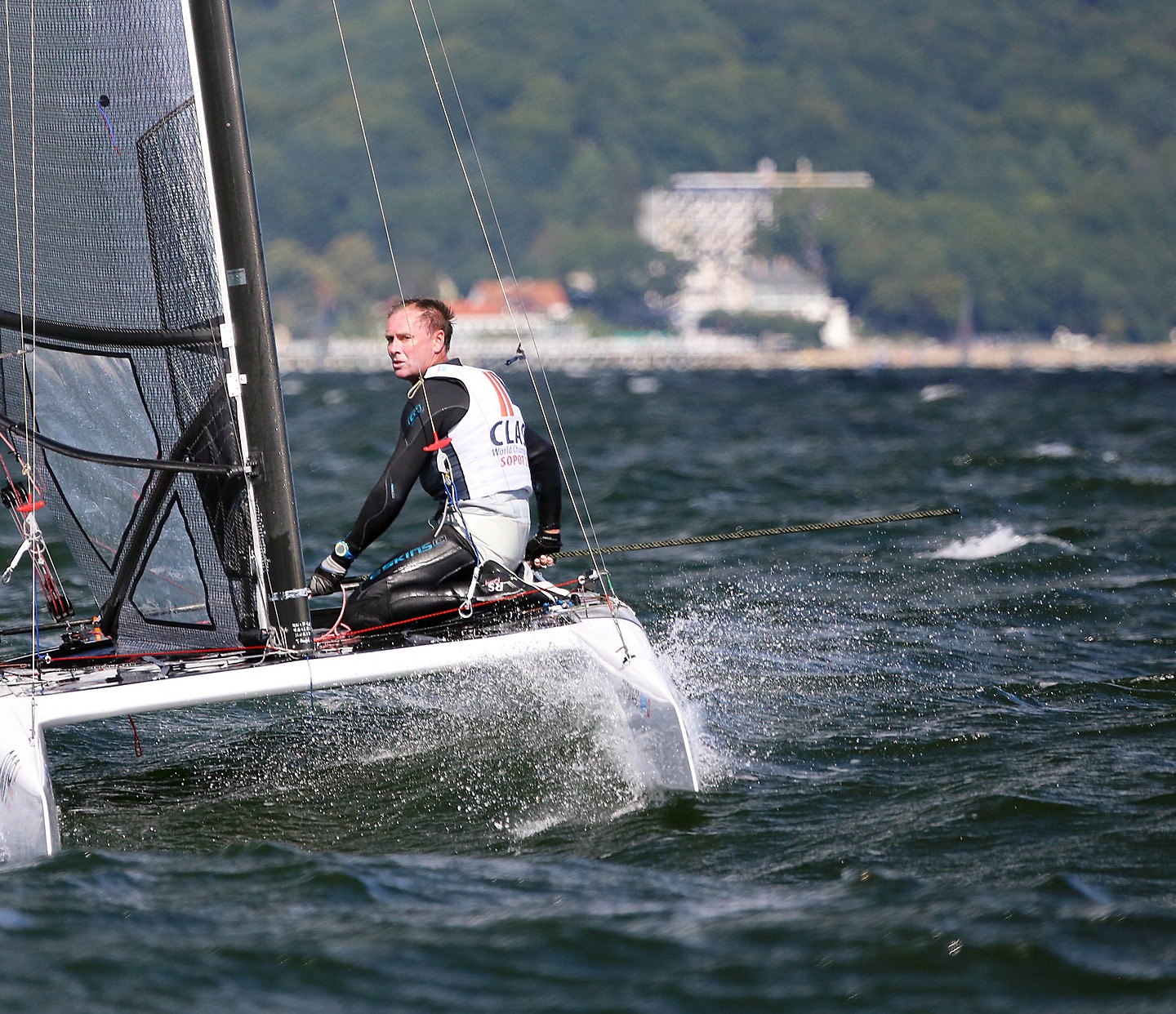
For Paul, a good handicap system should encourage owners to come racing, not the other way around. If you're heavier, or your rig is shorter without all the specialist sails, then this should be reflected in the rating. The requirement to sail well will always be there, and that should be rewarded.
As for next year?
We'll be back with Allegra.