Gitana 18: The Next Generation of Offshore Flight
01.11.2026 | News
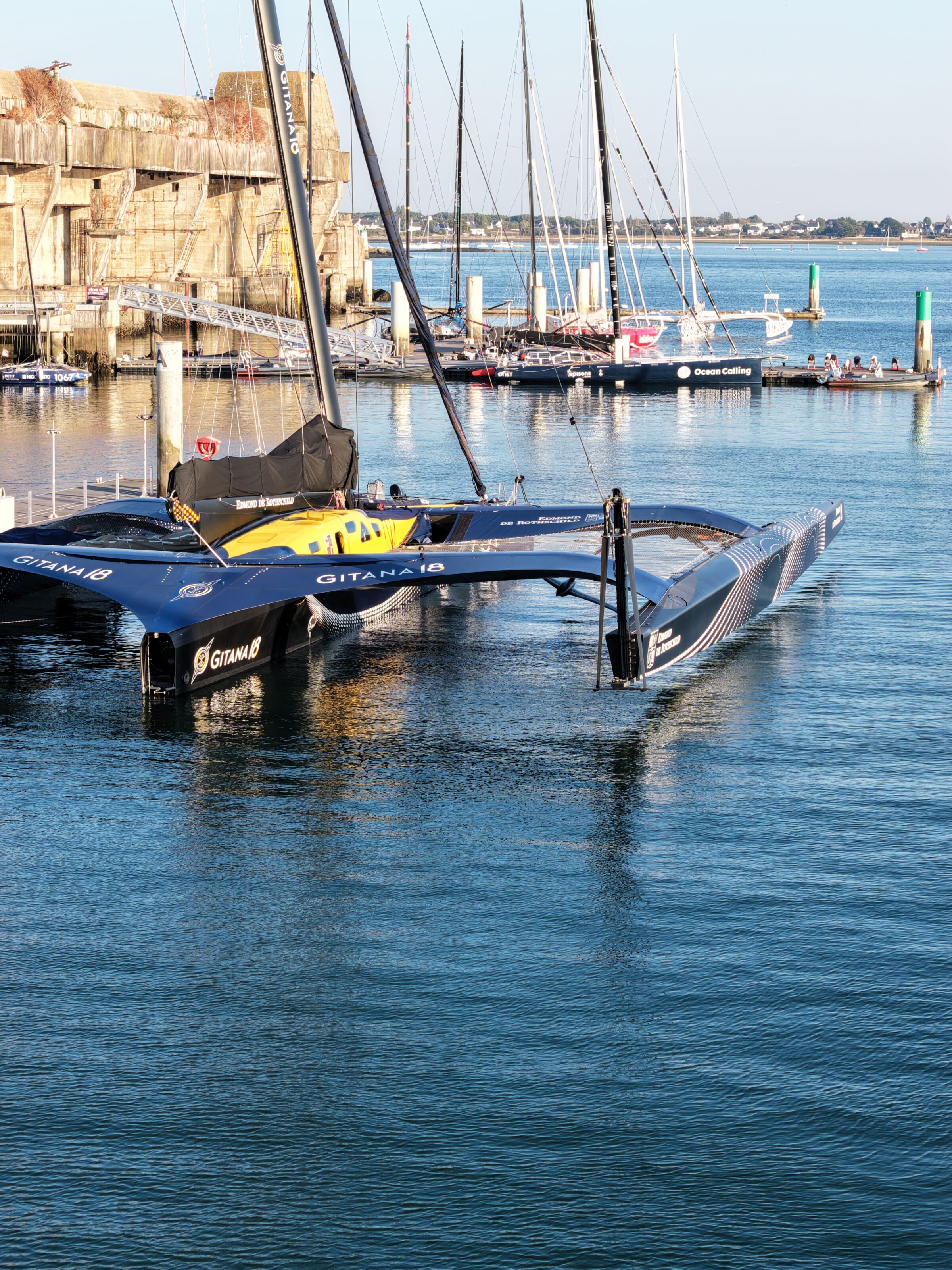

As the Route du Rhum gets underway, the new Maxi Edmond de Rothschild offers a look at where high-performance multihull sailing is heading.
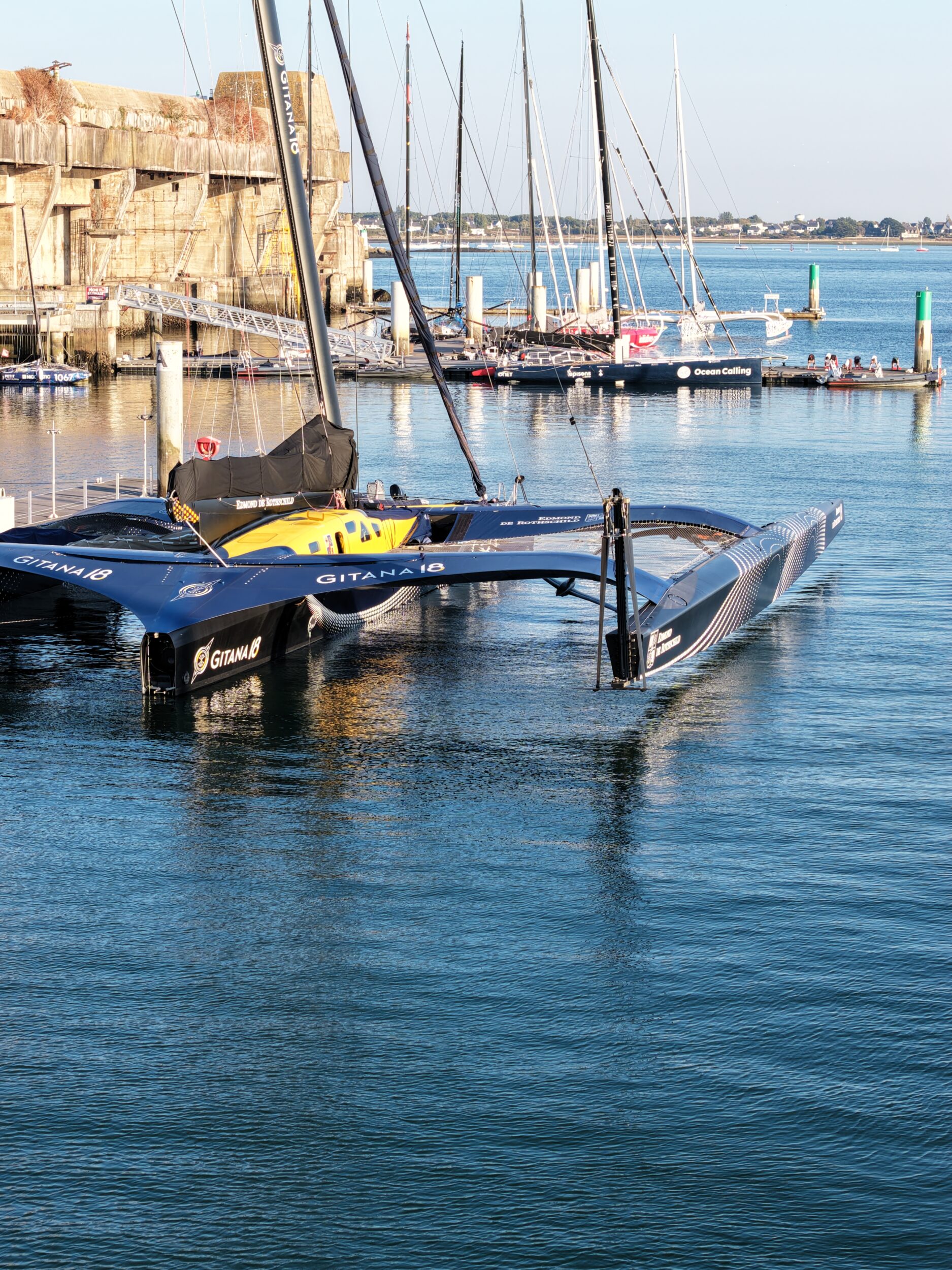
When I was in Lorient recently, I had the chance to see Gitana 18 up close. It's hard not to stop and take notice.
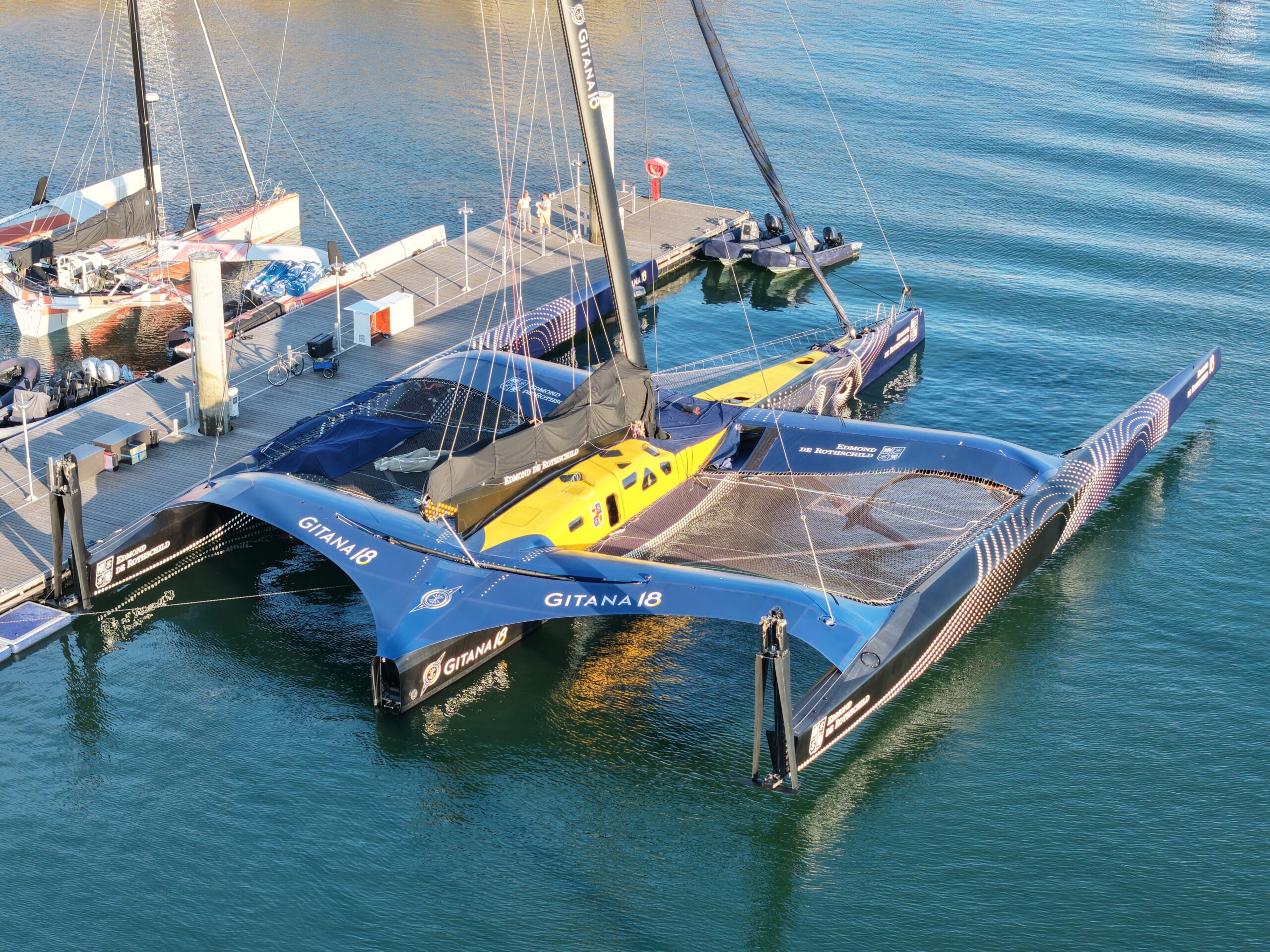
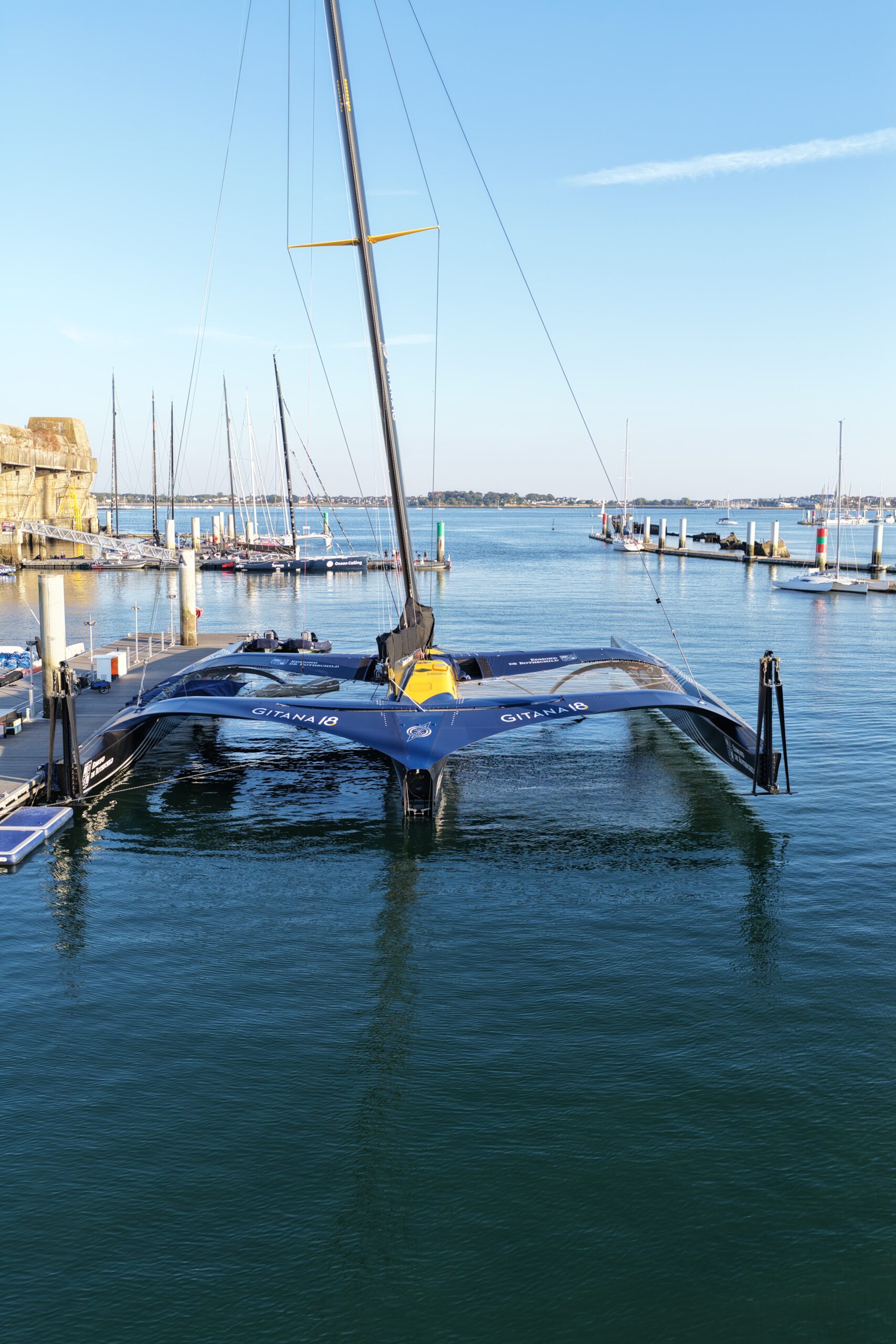
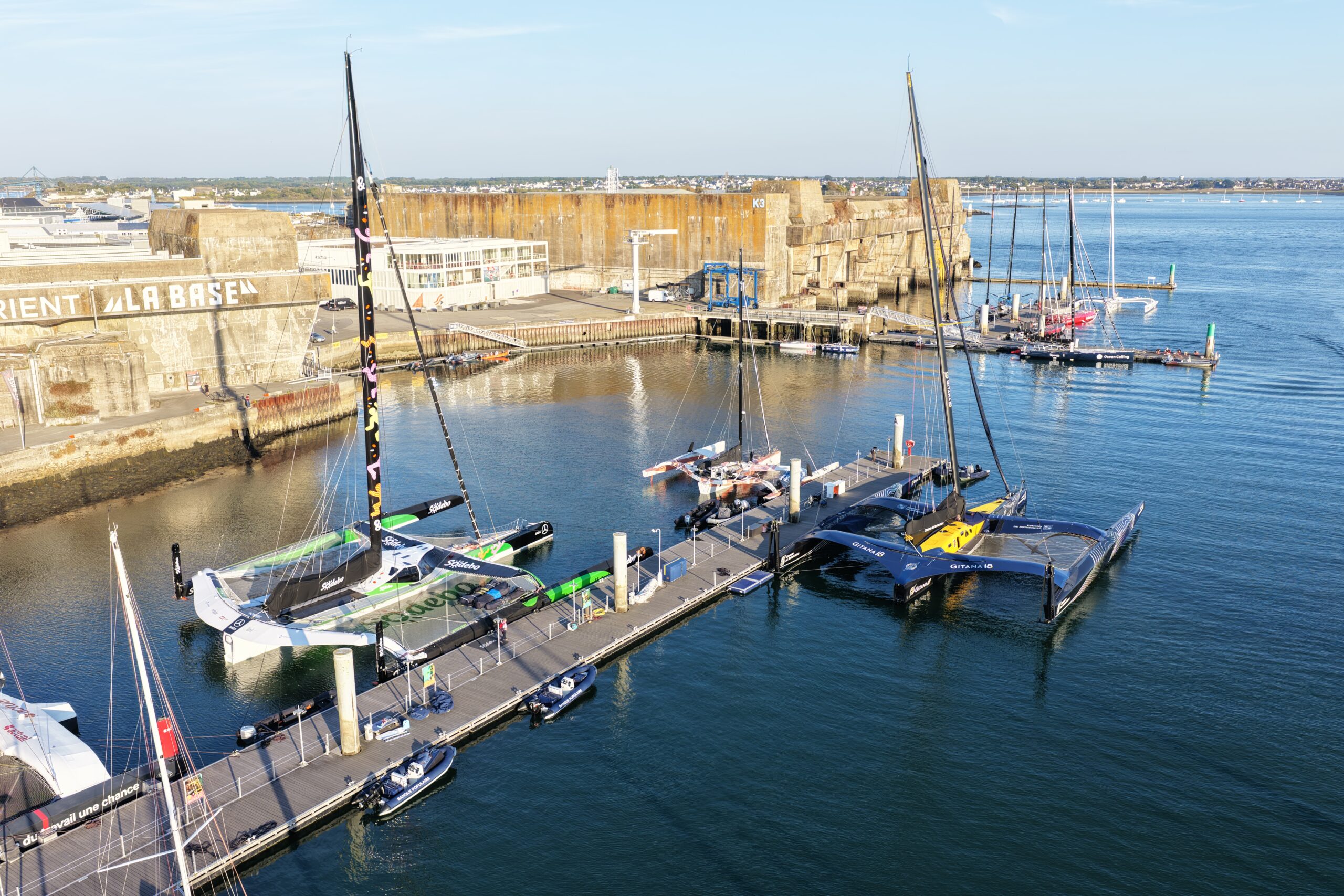

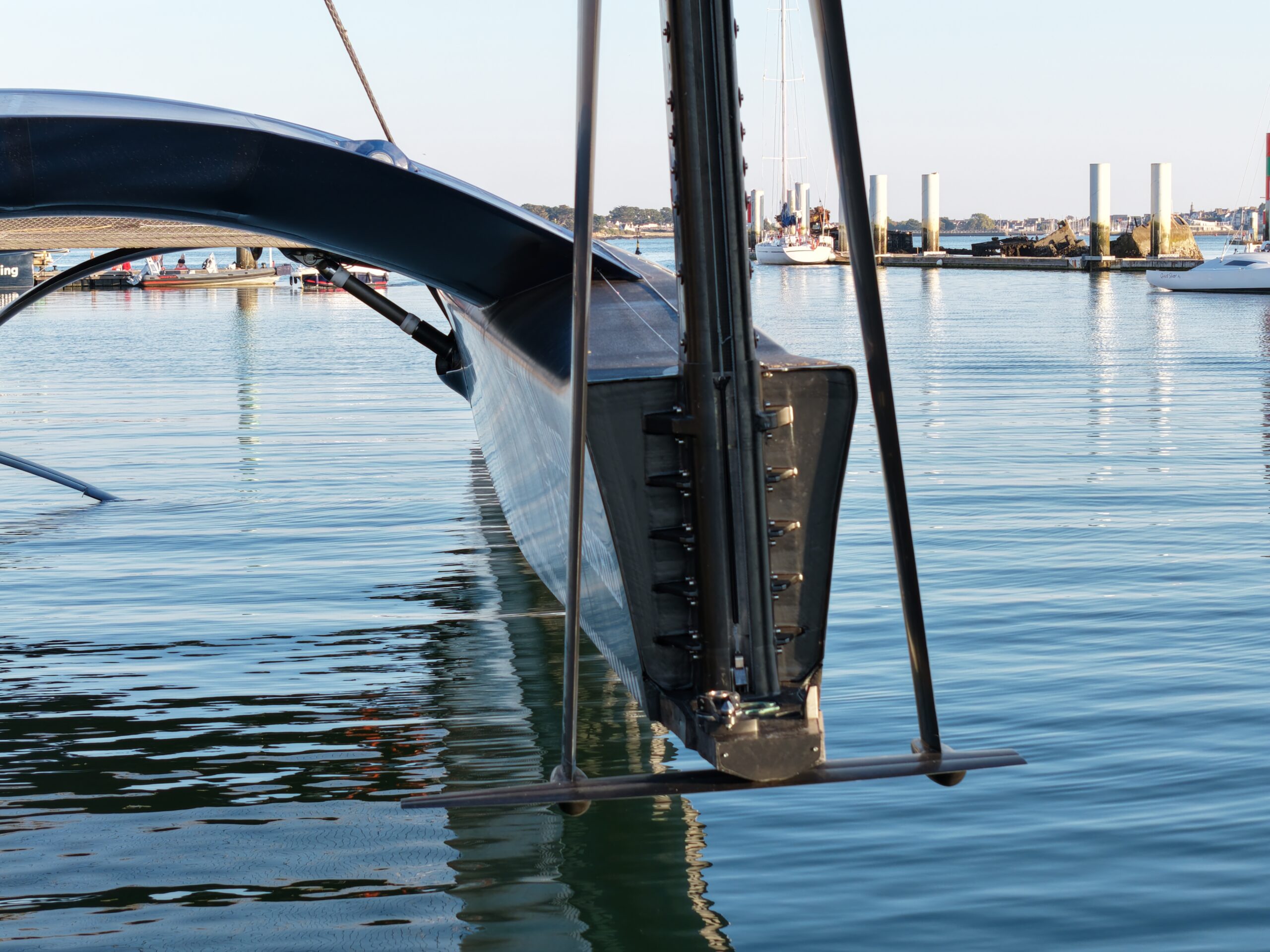
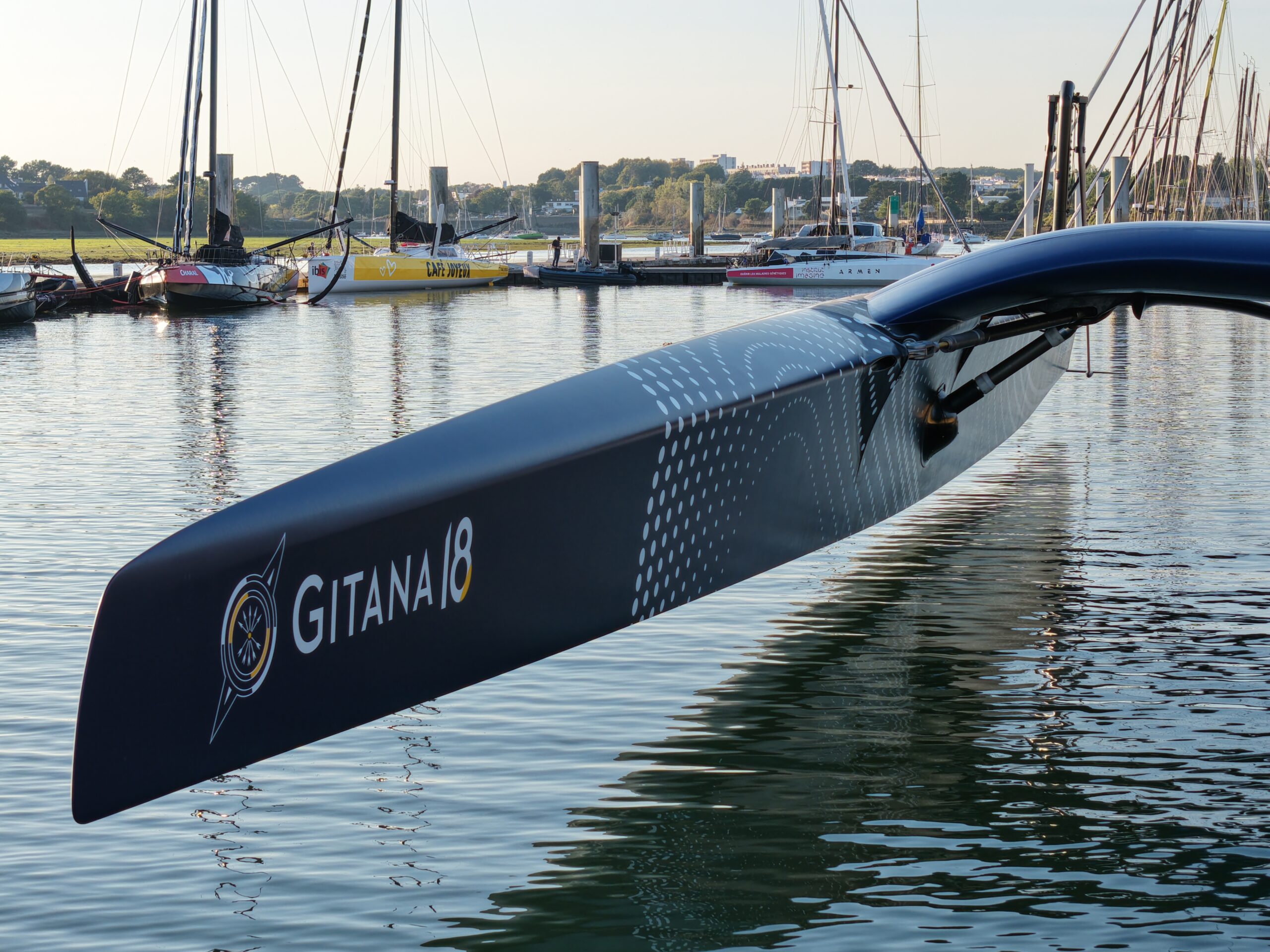
At 32 meters long, this is a serious piece of engineering, and one that gives you a pretty clear idea of where offshore multihull development is heading.
The new Maxi Edmond de Rothschild is the latest step in the evolution of the Ultim class. Designed by Guillaume Verdier in collaboration with the Gitana design office and built by CDK Technologies, she has been developed with one clear objective: to push the limits of sustained flight offshore.
As the Route du Rhum gets underway today, skipper Charles Caudrelier and the Gitana team are setting out to defend their 2022 victory. But Gitana 18 is more than a new boat for an existing campaign. She represents a significant change in how these machines are designed to perform across an ocean.
Earlier this year, we sat down with offshore sailing veteran Brian Thompson during the Caribbean racing season to talk about the development of performance multihulls. Brian has spent decades pushing these boats hard, from early trimaran designs to record- breaking ocean passages aboard some of the fastest multihulls in the world.
One of the most interesting parts of that conversation was his explanation of the difference between a MOD70 and a modern Ultim.
A MOD70 uses its foils to reduce drag and lift the leeward hull, but the central hull remains in contact with the water. Modern Ultims are designed to take that further, lifting the central hull as well and flying clear of the surface.
That distinction matters. Once the central hull is clear of the water, the design challenge changes. It's no longer simply about reducing drag. It's about managing lift, pitch, stability, and the loads generated by a boat traveling at extreme speeds through open-ocean conditions.
Gitana 18 has been designed around that challenge.
A new approach to foils

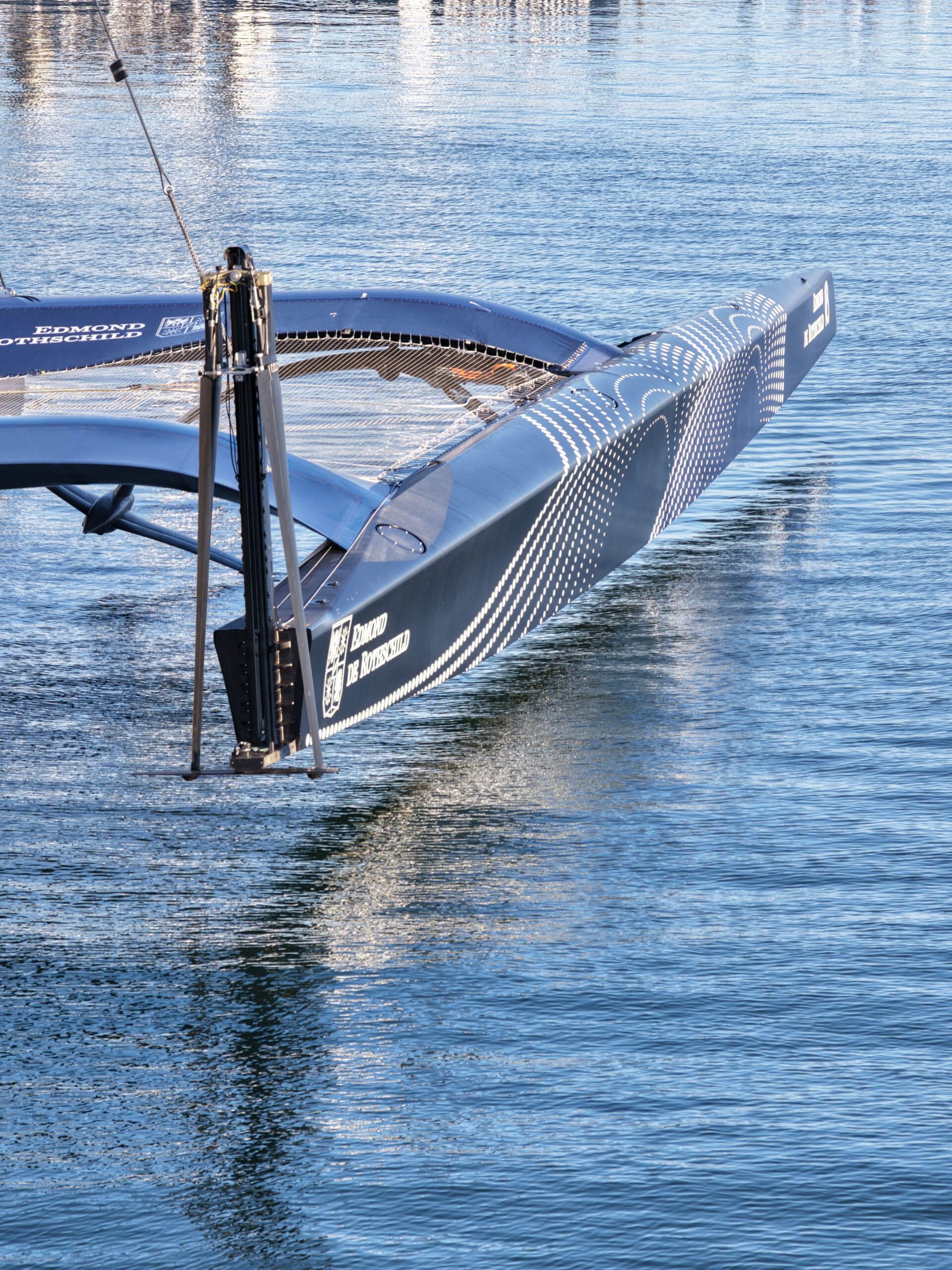
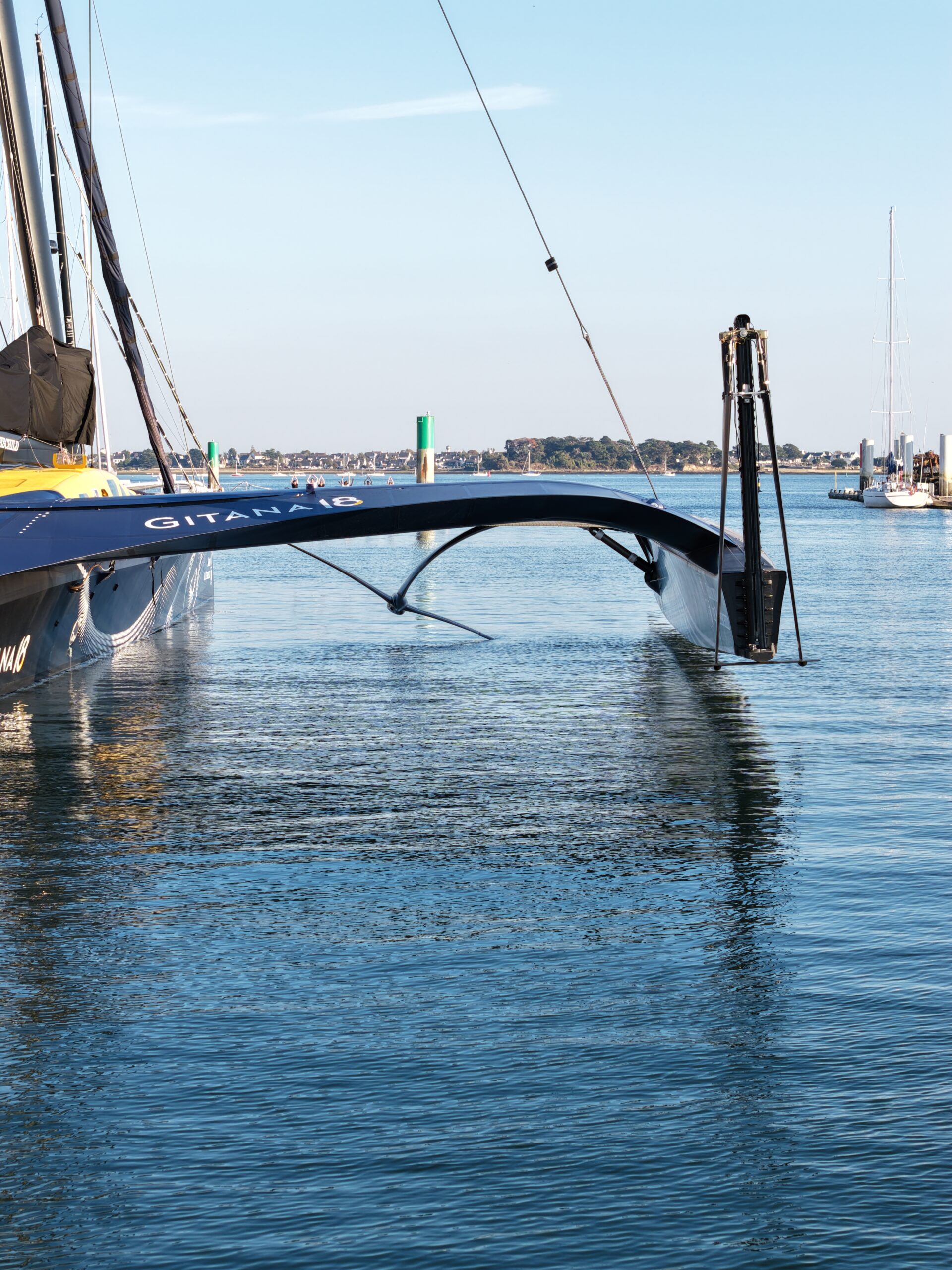
The most striking feature of Gitana 18 is her new foil configuration.
Her large, Y-shaped pendulum foils are a departure from the more conventional arrangements seen on earlier generations of offshore multihulls. The system allows the team to explore new ways of generating lift and managing the loads acting on the platform.
The foils are only one part of the equation. A boat capable of sustained flight needs to maintain control as wind strength, sea state, and sailing angles change. Lift that works well in one set of conditions can become a liability in another.
That is where the engineering becomes particularly interesting. The design has to balance speed with control, and theoretical performance with what can actually be managed offshore.
Gitana 18's central T-foil, float foils and rudder system work together as part of a much larger design. The hull shapes, rig, structure and control systems all have to work in combination. Improving one component in isolation is not enough.
The objective is not simply to fly, but to sustain flight across the Atlantic.
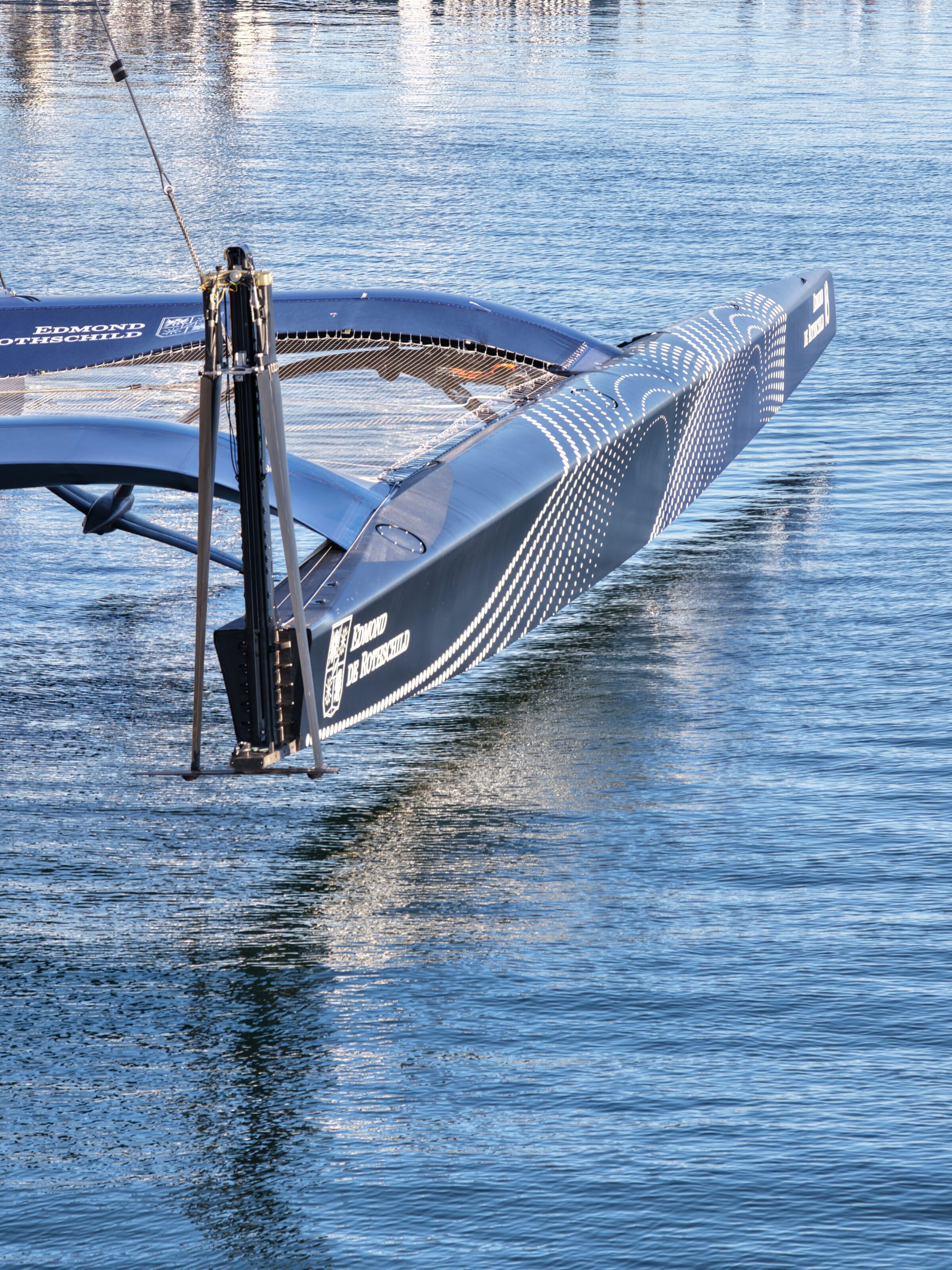
Engineering for the open ocean
The scale of the project gives some indication of the challenge. Gitana 18 measures 32 meters in length and 23 meters across the beam. The platform represents around 200,000 hours of construction and 50,000 hours of design and development work.
Approximately 80% of the platform was manufactured using autoclave processes, helping achieve the precision and structural properties required for a boat of this type.
There is also a substantial systems challenge. The boat incorporates around 500 sensors and eight kilometers of electrical cabling. Those figures tell a story of their own: modern offshore racing is increasingly about the integration of data, engineering and human decision-making.
But adding complexity does not automatically make a boat faster. Every system introduces weight, maintenance requirements and potential failure points. The real test is whether the technology delivers a performance advantage that can be used reliably at sea.
For a solo skipper, that distinction is critical. There is little value in designing a boat that can achieve extraordinary speeds for short periods if those speeds cannot be sustained safely across an ocean.
The human element
This is where the Route du Rhum becomes such an interesting test.
Covering approximately 3,500 nautical miles from Saint-Malo to Guadeloupe, the race demands more than outright speed. It requires sound judgment, careful weather routing and the ability to manage a boat when conditions are far from ideal.
As Brian explained in our earlier conversation, the performance difference between a MOD70 and an Ultim is significant. Modern Ultims are designed to lift the central hull as well as the leeward hull, reducing drag across the platform.
The challenge for Caudrelier is to make the most of that performance over an entire Atlantic crossing, managing the boat's speed, systems and handling alone.
The performance difference is significant. As Brian put it, “Ultims can reach 45 knots. On Argo, we're typically operating in the 30 to 35 knot range.”
Seeing Gitana 18 in Lorient brings that evolution into focus. This is a different level of offshore multihull development, with the design pushing further into sustained flight and the control needed to make it work across an ocean.
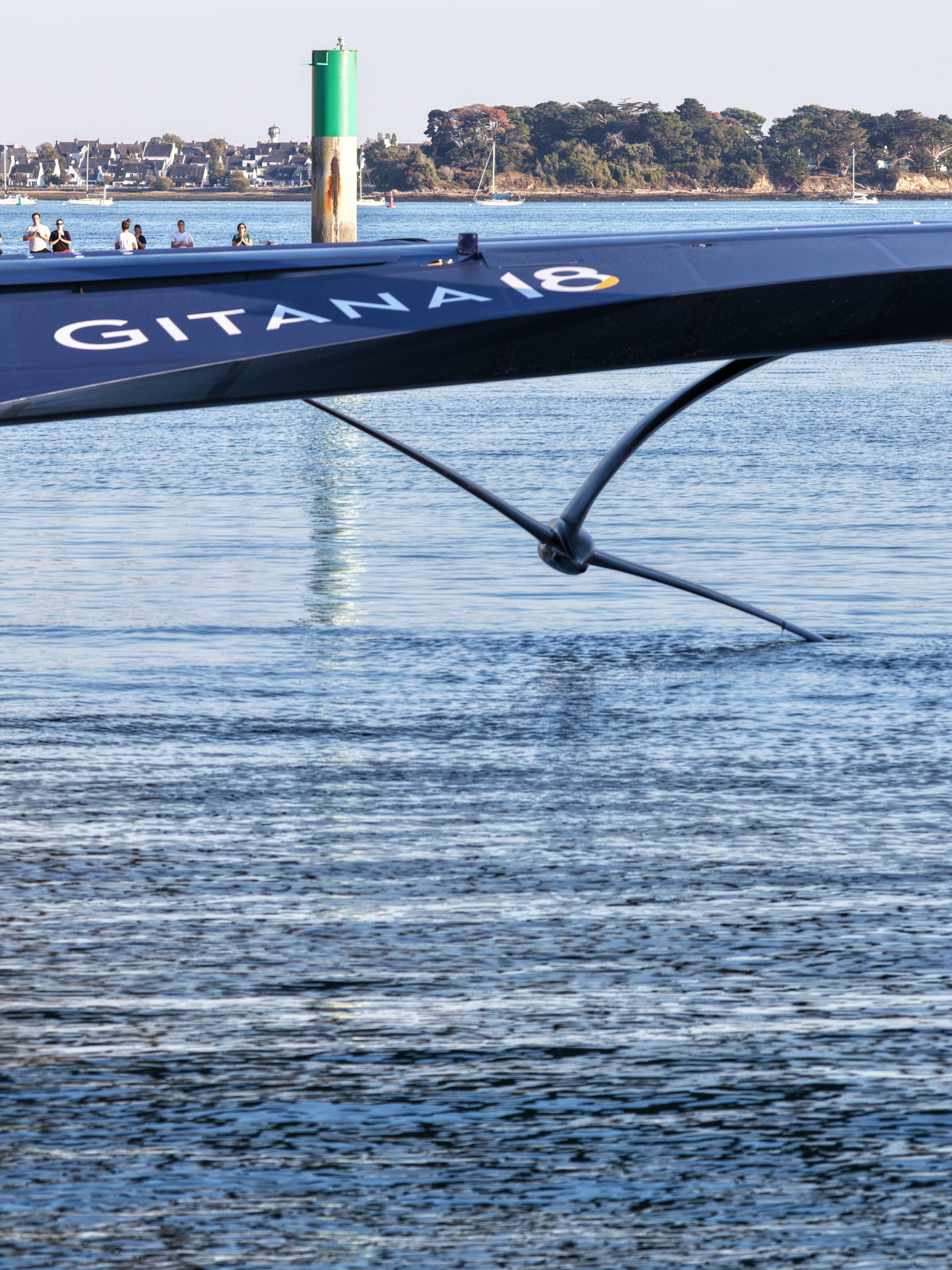
What comes next?
Gitana 18 is an ambitious step forward, and the Route du Rhum now provides the first major test of the design in competition. How the boat performs across the Atlantic will tell us more than any set of technical specifications can.
For those of us working with performance multihulls, these developments are worth following closely. The technology at the top end of offshore racing continues to evolve, and the lessons extend beyond the racecourse. Foil design, weight management, structural engineering and systems integration all influence how we think about the next generation of high-performance boats.
Seeing Gitana 18 in Lorient brought the scale of that ambition home. You can study the specifications, but standing beside a boat of this size gives you a different appreciation of what the team has set out to achieve. The day I visited, they told me she had just recorded over 50 knots of boat speed! - Spike
The next chapter will be written at sea. With the Route du Rhum now underway, all eyes will be on Gitana 18 and what this new generation of offshore multihulls can achieve.
01° 24' 37" N, 45° 45' 46" E
Stay up to date with our latest news
Other Articles

Gitana 18: The Next Generation of Offshore Flight
01.11.2026 | News
Fastest Man on Water: Paul Larsen at the BVI Spring Regatta
20.08.2026 | News

Fastest Man on Water: Paul Larsen at the BVI Spring Regatta
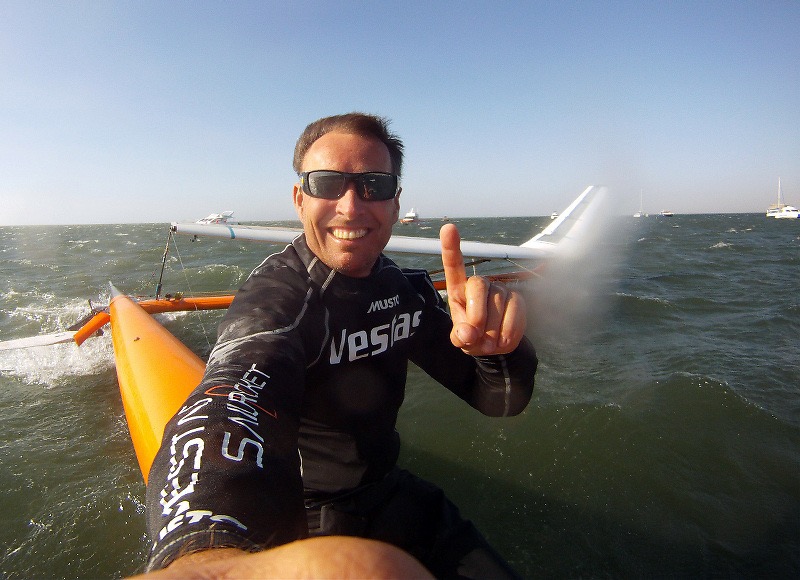
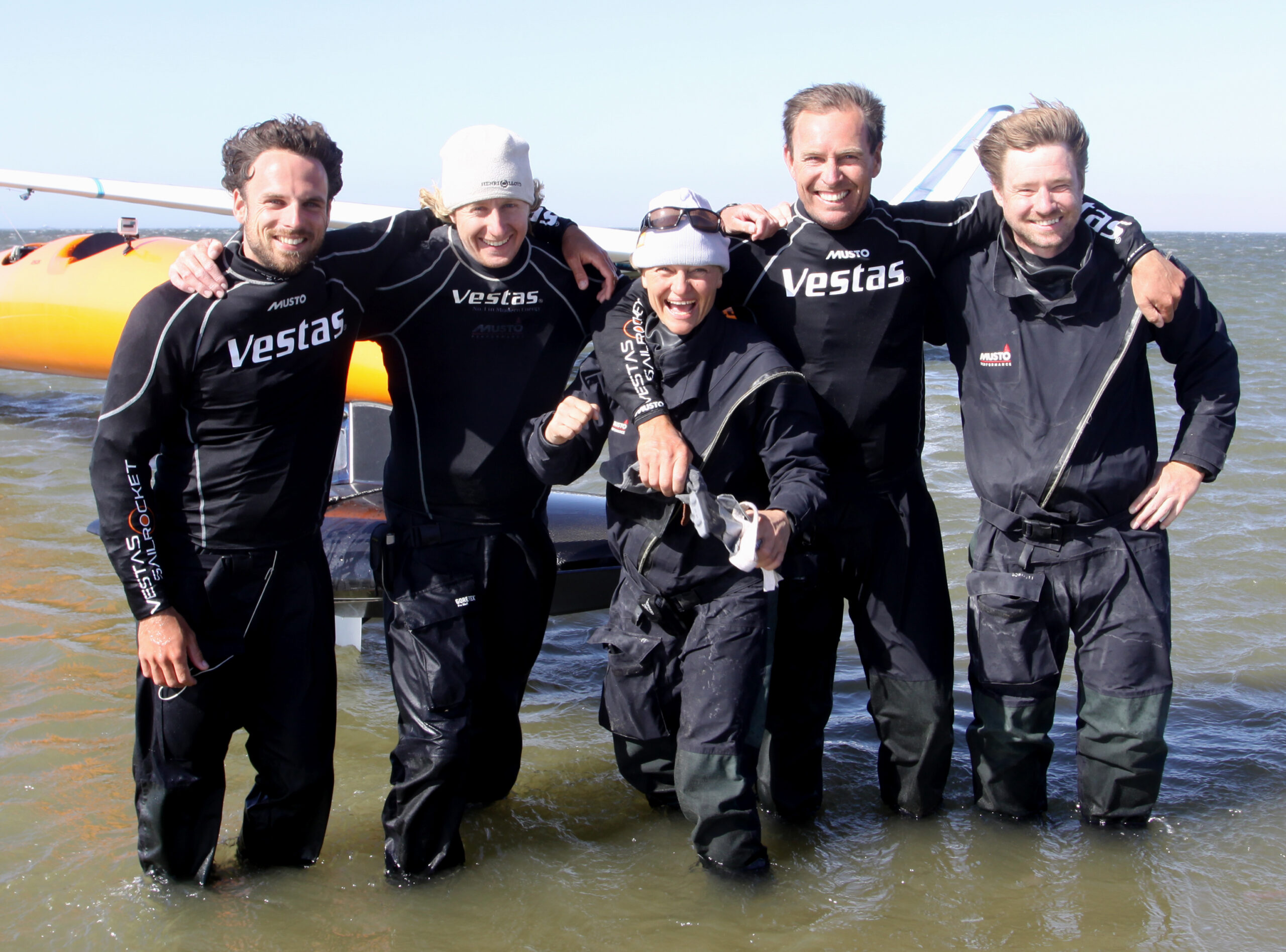
During the 2026 BVI Spring Regatta, Rapide's Spike caught up with Paul Larsen aboard Gunboat 68 Little Wing. While many sailors know Paul as the man behind the outright sailing speed record, spending time with him quickly reveals that the pursuit of speed is only part of the story.
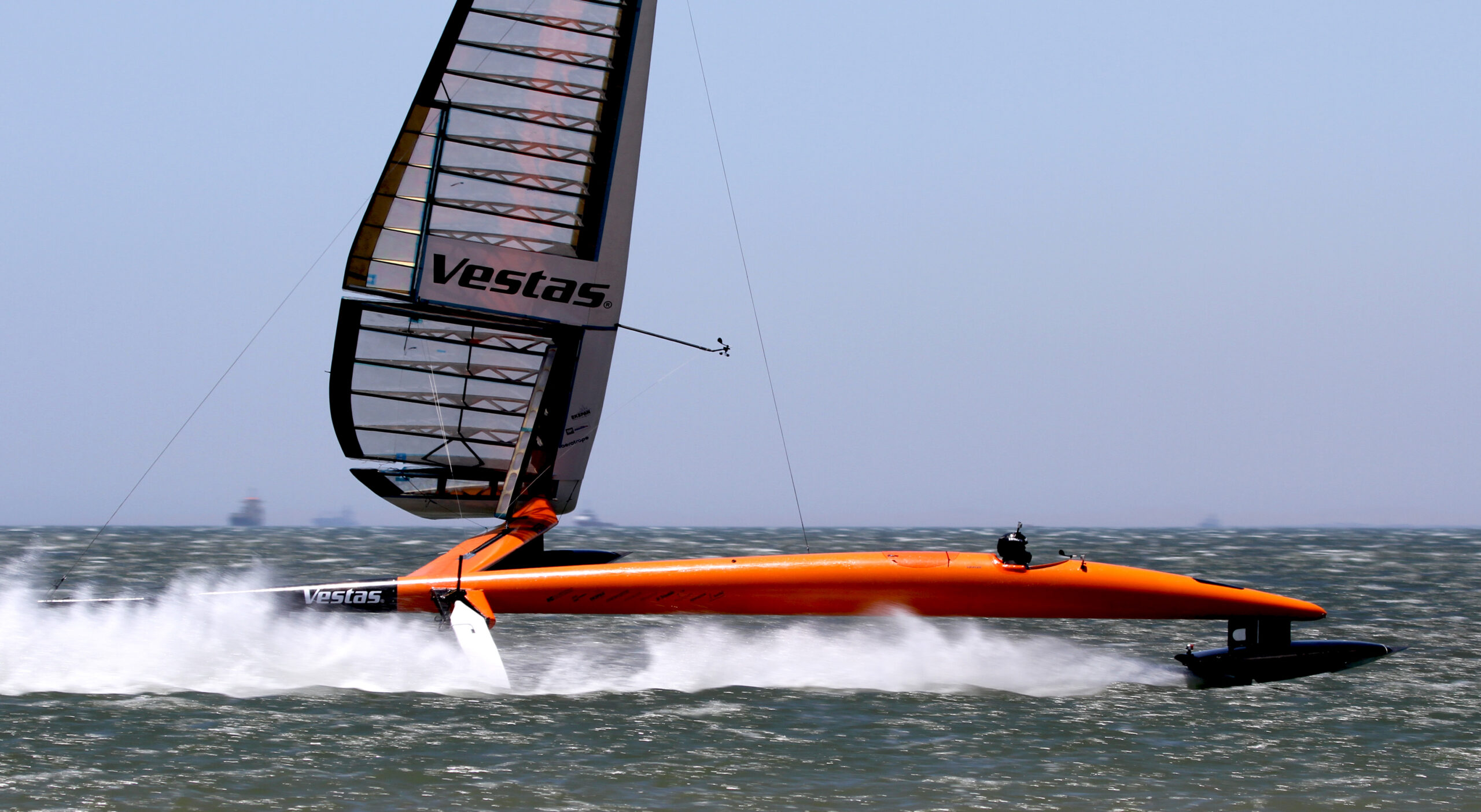
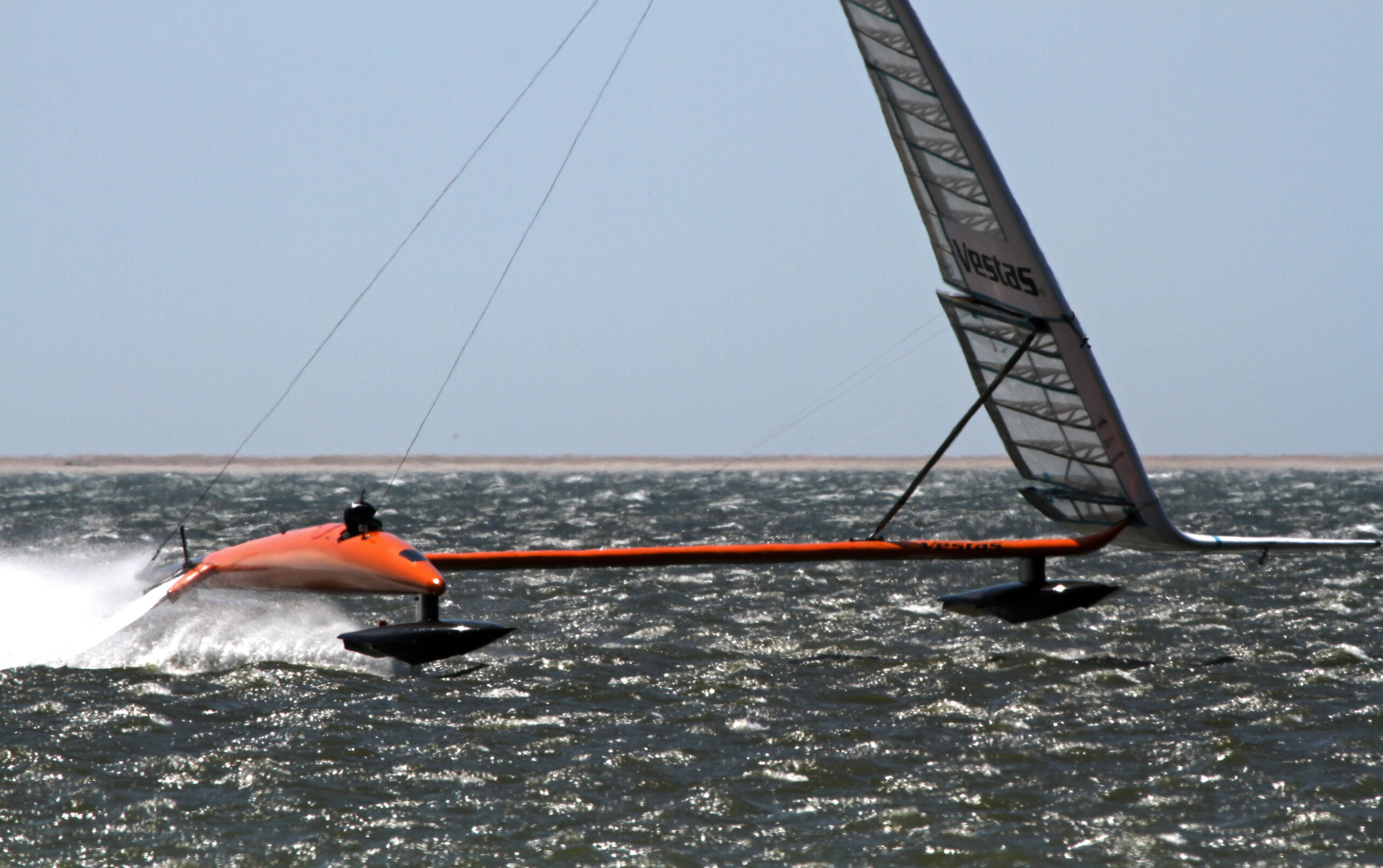
Fourteen years after setting a world record of 65.45 knots aboard Vestas Sailrocket 2, Paul speaks about the achievement with the calm perspective of someone who spent more than a decade chasing a singular goal.
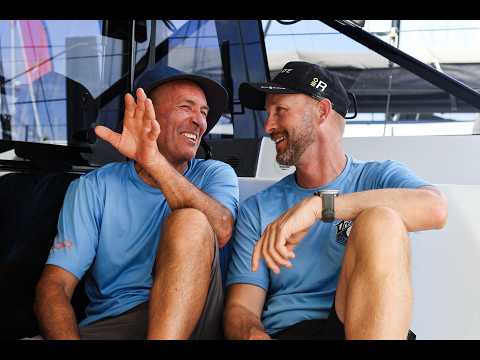
“We focused on that record for eleven years, pretty single-mindedly. Since then, I've had the opportunity to sail all the other boats that I missed out on while chasing it.”
Chasing the Ultimate Speed Record
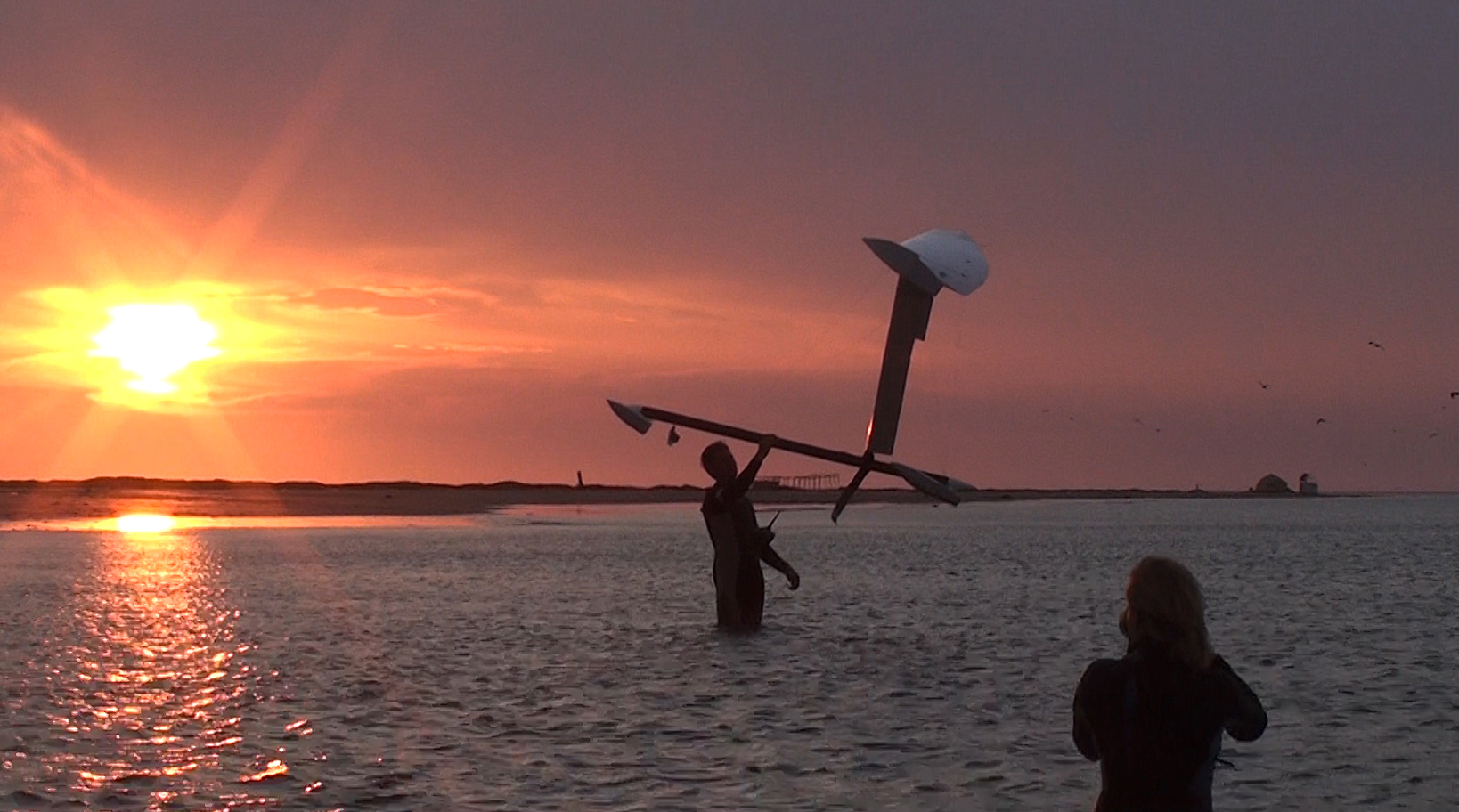
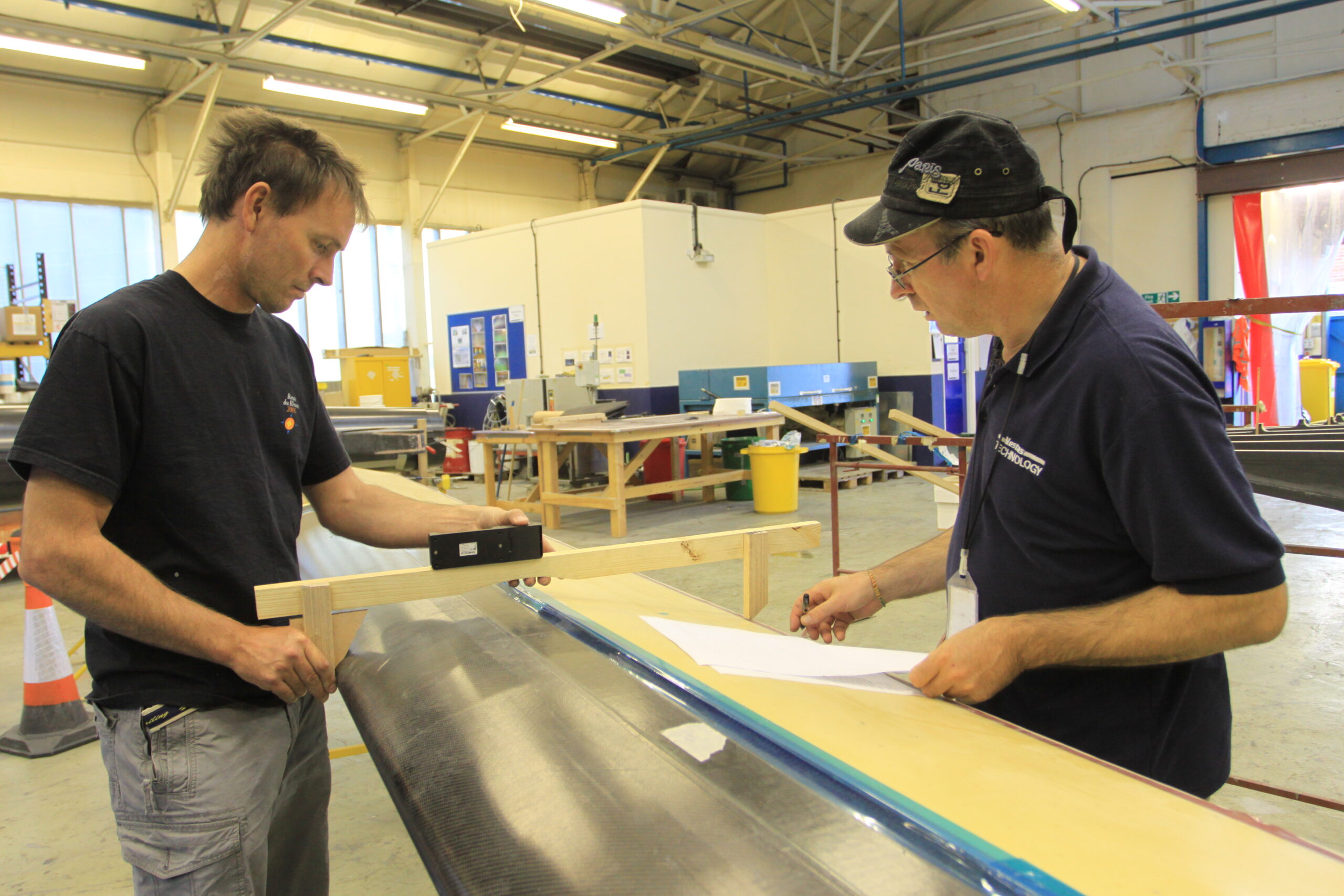
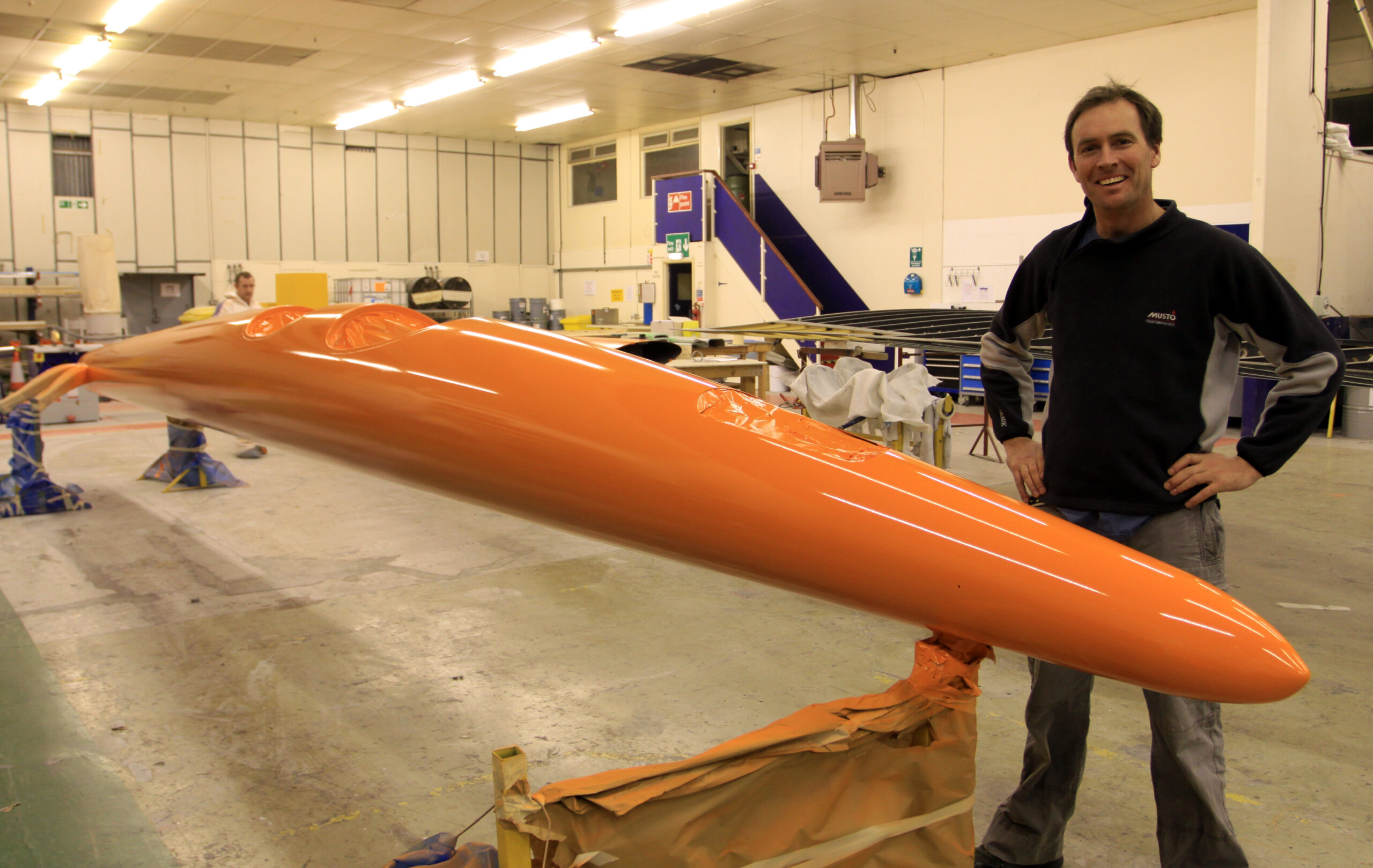
The record itself was the culmination of years of experimentation, engineering and perseverance. Once the Sailrocket team discovered the perfect location in Walvis Bay, Namibia, every aspect of the project was refined around that environment.
The combination of cold ocean currents, the surrounding desert and remarkably consistent wind created what Paul describes as "a natural wind tunnel," allowing the second iteration of Sailrocket to be designed specifically for that location.
The equation had an answer. It was 65 knots in 26 knots of wind. Everything evolved from that.
At the time, the rise of kiteboarding had pushed sailing speeds into the high 50-knot range, and many believed boats had reached a barrier imposed by cavitation, the phenomenon now familiar to followers of SailGP and the America's Cup, where water begins to vaporise around foils at extreme speeds.
Paul and the Sailrocket team set out to prove otherwise.
We said if this boat can't do it, it can't be done.”
Everything was stacked in the boat's favour: power, aerodynamics, stability and the extraordinary conditions found in Namibia.

Fourteen Seconds That Changed Everything
The breakthrough didn't come gradually. Just seven days before the record, the team had still not managed to average 50 knots.
Then everything changed.
Every time I sat in that thing, it didn't go a fraction of a knot quicker. It went three knots quicker, four knots quicker, five knots quicker.
When the record finally came, the decisive run lasted just fourteen seconds, but it represented more than a decade of relentless development.
For Paul, however, the strongest memory isn't the number itself.
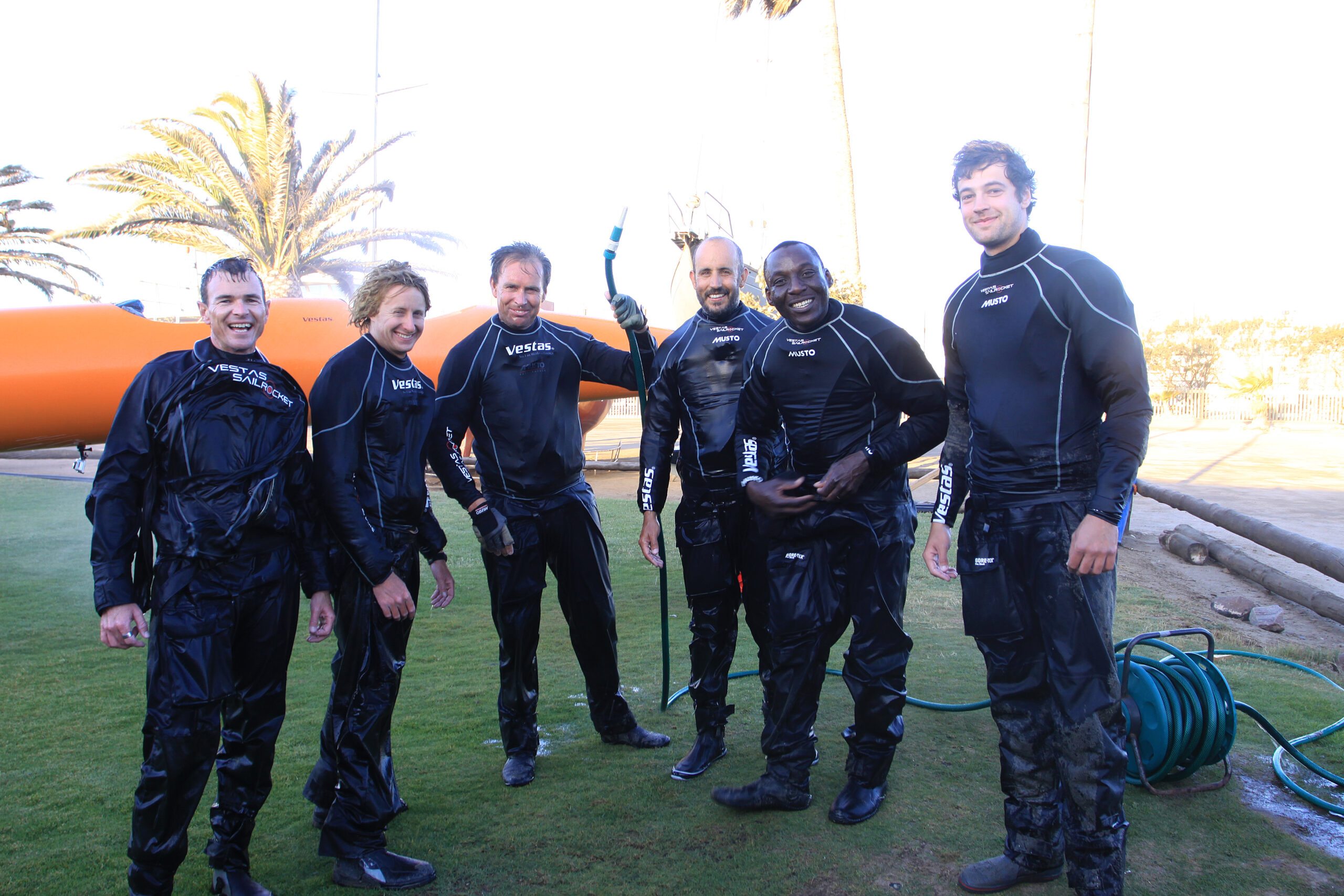
I've never been so happy washing a boat down. Thinking, this could have been washing this out instead of down.

From Record Attempts to Racing Programmes
That same philosophy of continuous optimisation is something Paul now sees throughout the modern performance multihull world.
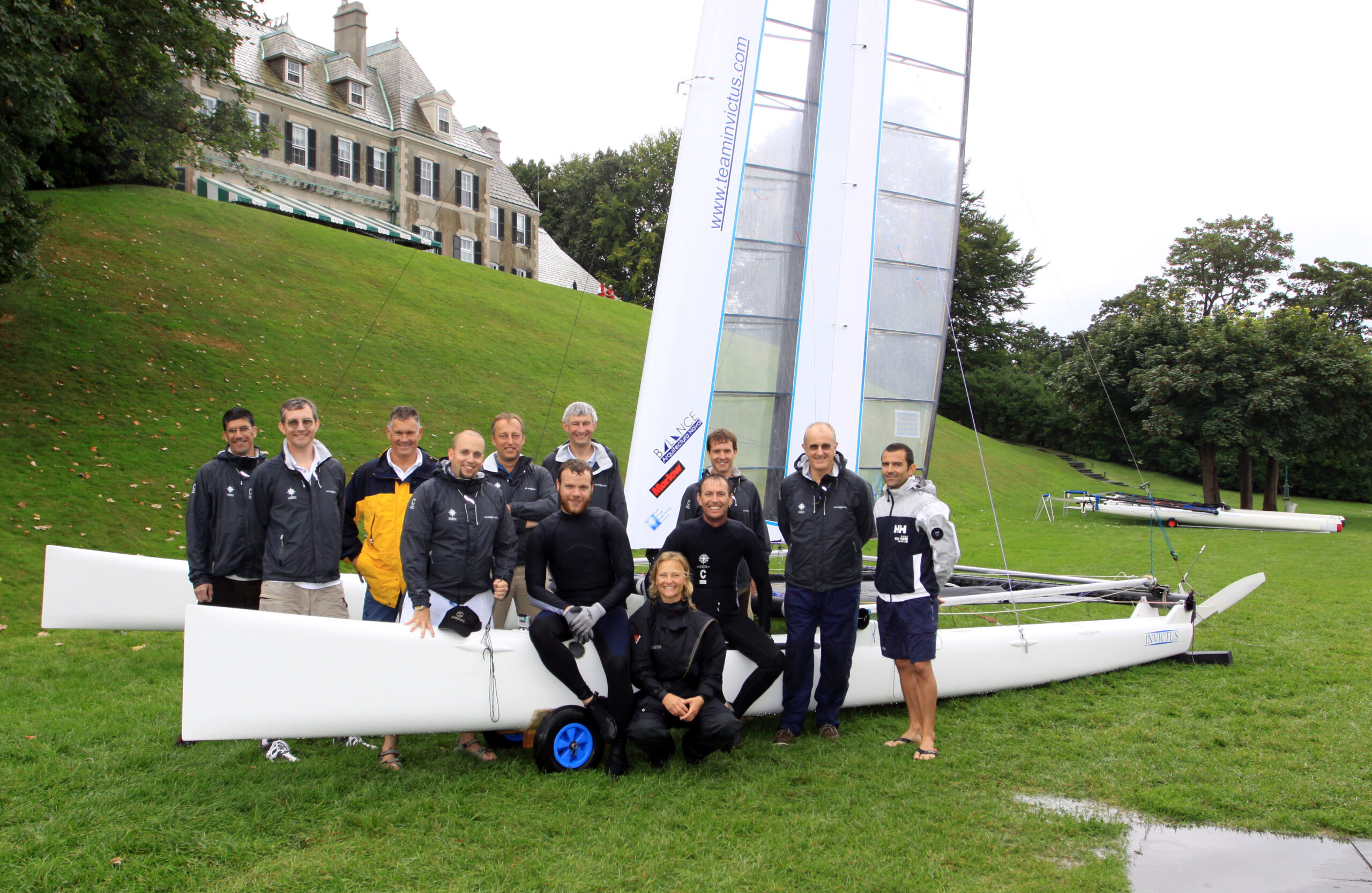
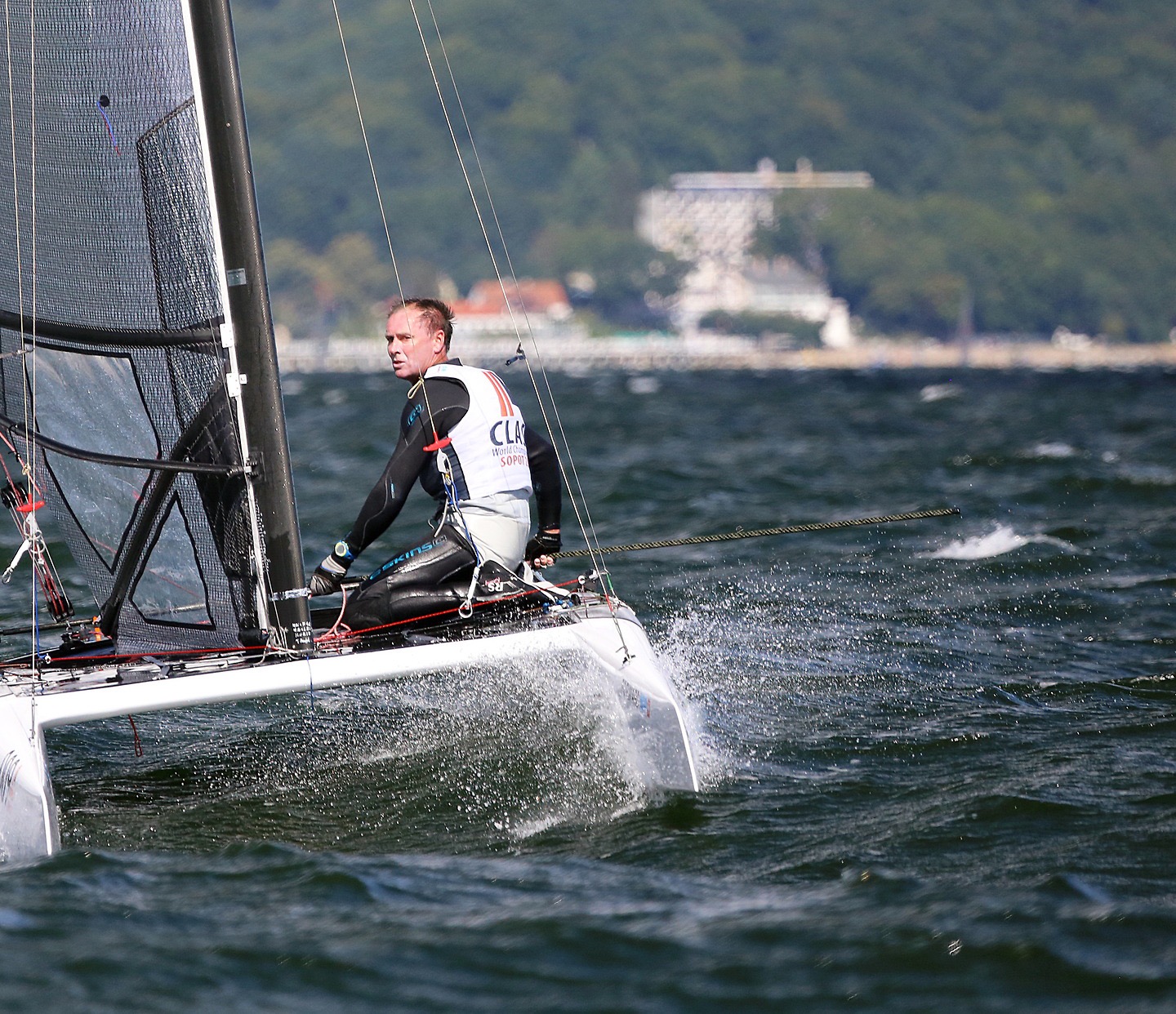
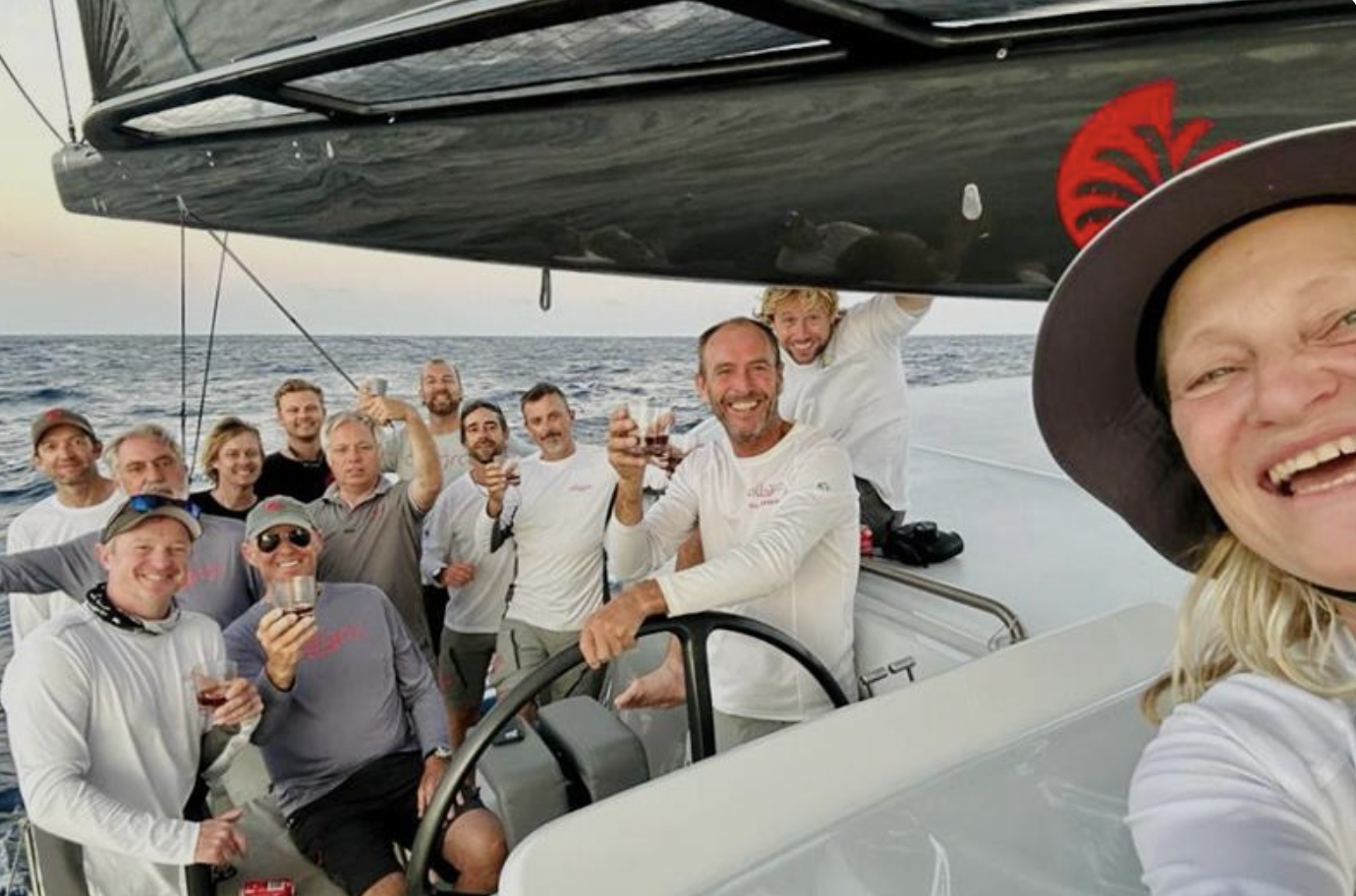
At the BVI Spring Regatta, fleets of vastly different designs lined up against each other, from high-performance trimarans and foiling cats to some of the fastest cruising catamarans afloat. Despite their differences, many finished races separated by only seconds. For Paul, that evolution is perfectly reflected in the long-running Allegra program, where he has been part of the team for over a decade
It's eleven years now and a lot of the core team is still there. We all feel a sense of ownership in the boat and pride in what it's become.
Like many successful racing programs, Allegra wasn't necessarily conceived with competition as the primary goal. Instead, it evolved as the owner, crew, and boat developed together.
Paul believes that's a common theme among performance catamaran owners.
People don't always know where the journey is going to take them. They meet the right sailors, build the right team, and suddenly they're racing competitively.
The transformation of boats like Gunboat 72 Layla is a perfect example. Originally purchased as a cruising platform, the boat has become one of the most competitive entries on the racecourse, narrowly missing out on victory at this year's regatta.

Learning Through Competition
The conversation naturally turns to Adrian Keller and the Multihull Cup, an event that has become one of the most important gatherings for performance cruising multihulls.
Paul credits Keller's commitment to creating opportunities for owners to race, learn and improve.
You always learn something when you go racing. You learn more about your boat and what it's capable of.
After a week of close racing around the islands of the British Virgin Islands, Paul's biggest takeaway wasn't speed, technology or boat design. It was how competitive the racing had become across such a diverse fleet.
We all complain about ratings at some point. But somehow they managed to get very different boats finishing within seconds of each other. That's pretty impressive.
For Paul, a good handicap system should encourage owners to come racing, not the other way around. If you're heavier, or your rig is shorter without all the specialist sails, then this should be reflected in the rating. The requirement to sail well will always be there, and that should be rewarded.
As for next year?
We'll be back with Allegra.
Brian Thompson: From the Crouch River to the Cutting Edge of Offshore Sailing
30.04.2026 | News
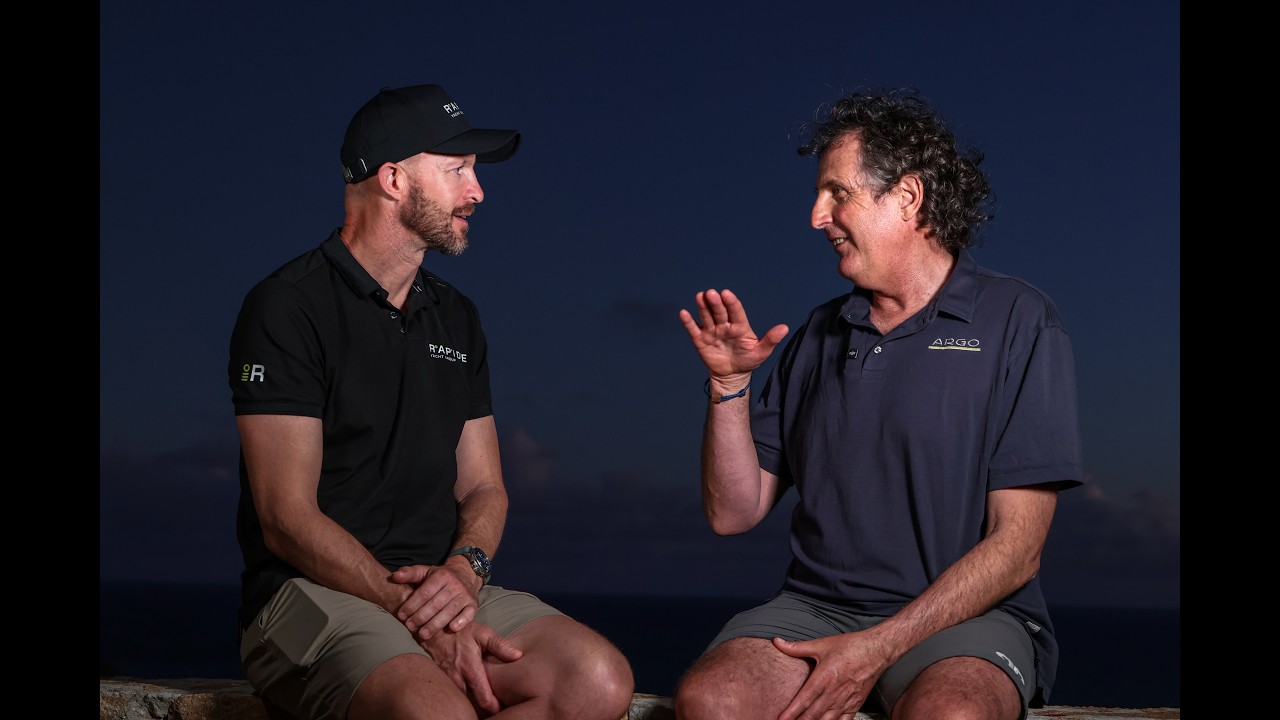
Photo: Liveability Without Compromise
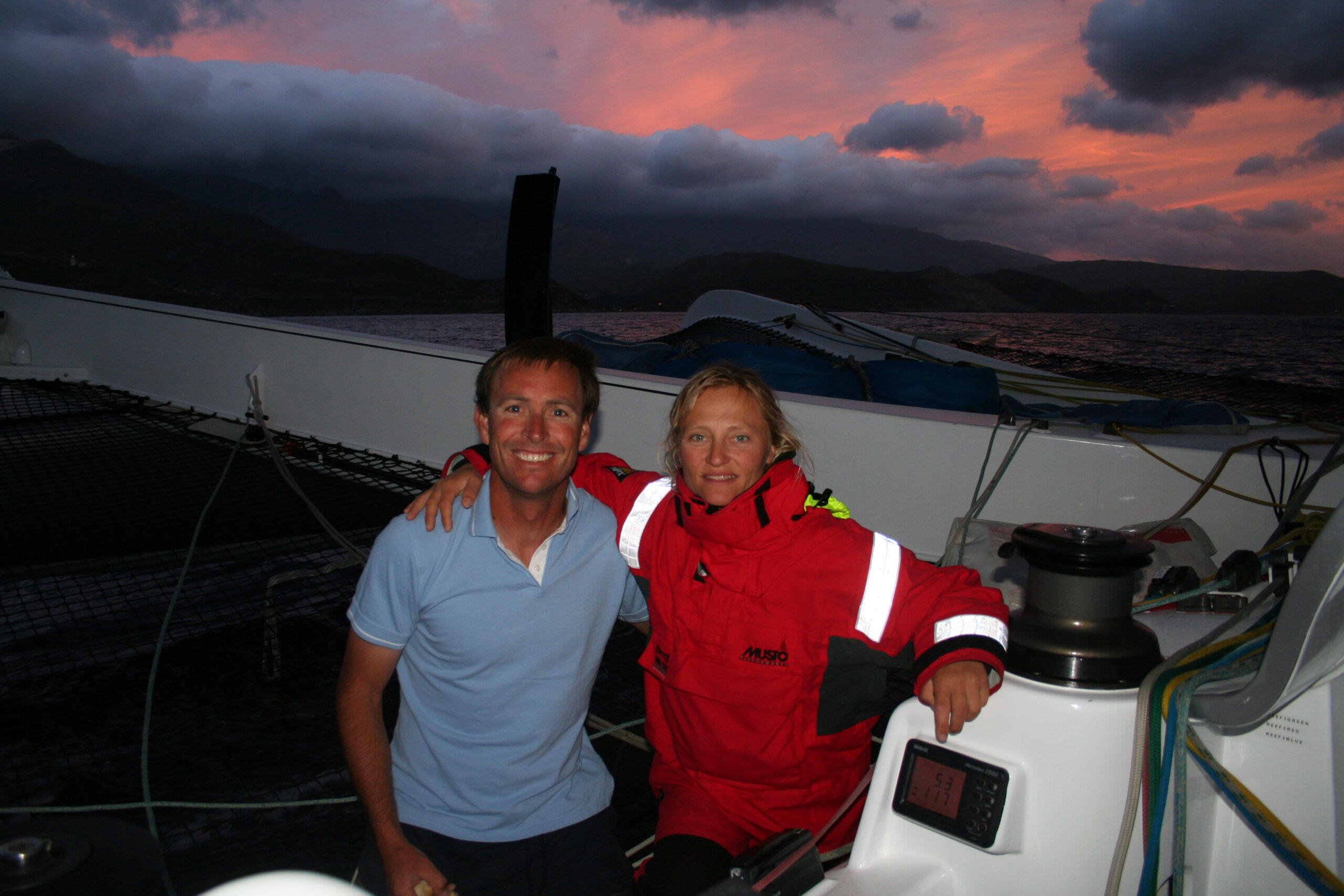
There's a particular kind of energy that defines the Caribbean regatta season. The islands draw some of the most accomplished talent on the water, and during the RORC Caribbean 600 in Antigua, we caught up with Brian Thompson at a relaxed, poolside setting overlooking the beautiful English Harbour as the sun set on the horizon. Generous with his stories, what followed was a conversation that moved from muddy English rivers to Antarctic icebergs, record-breaking ocean runs, and the future of high-performance sailing.
"Take us back to the beginning — where did it all start?”
Brian started sailing quite young on the east coast of England, on a river called the Crouch. "Brilliant for learning to sail," he says. "It's muddy and forgiving — you could run aground without consequence. If you hit something you just came to a very soft, slow stop."
As a teenager, long before GPS was standard, he crossed the English Channel with his parents on a 27-foot boat using a radio direction finder. "It always seemed to be foggy wherever we were going," he laughs.
At 21, he crossed the Atlantic on a 39-foot monohull with his family and arrived in the Caribbean, eventually landing in Antigua, where he began working on boats.
"What converted you to multihulls specifically?"
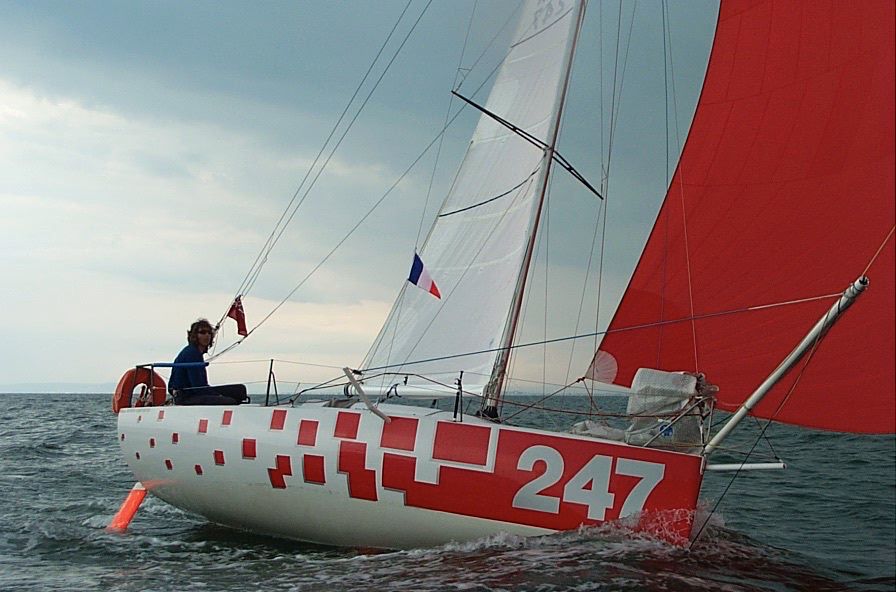
The move wasn't planned. While in Newport, Rhode Island, Brian watched Philippe Poupon arrive after winning the 1988 OSTAR aboard a trimaran, having crossed the Atlantic upwind in just ten days. "That just seemed mind-boggling," he says. "I thought — that's the way to go. In four years, I want to do that race."
Within four years, Brian entered the same race, sailing a 35-foot Dick Newick wooden trimaran he had bought and refitted himself. "It was yellow and it looked like three bananas," he laughs. He won his class. From there, the trajectory accelerated.
Record-breaking campaigns
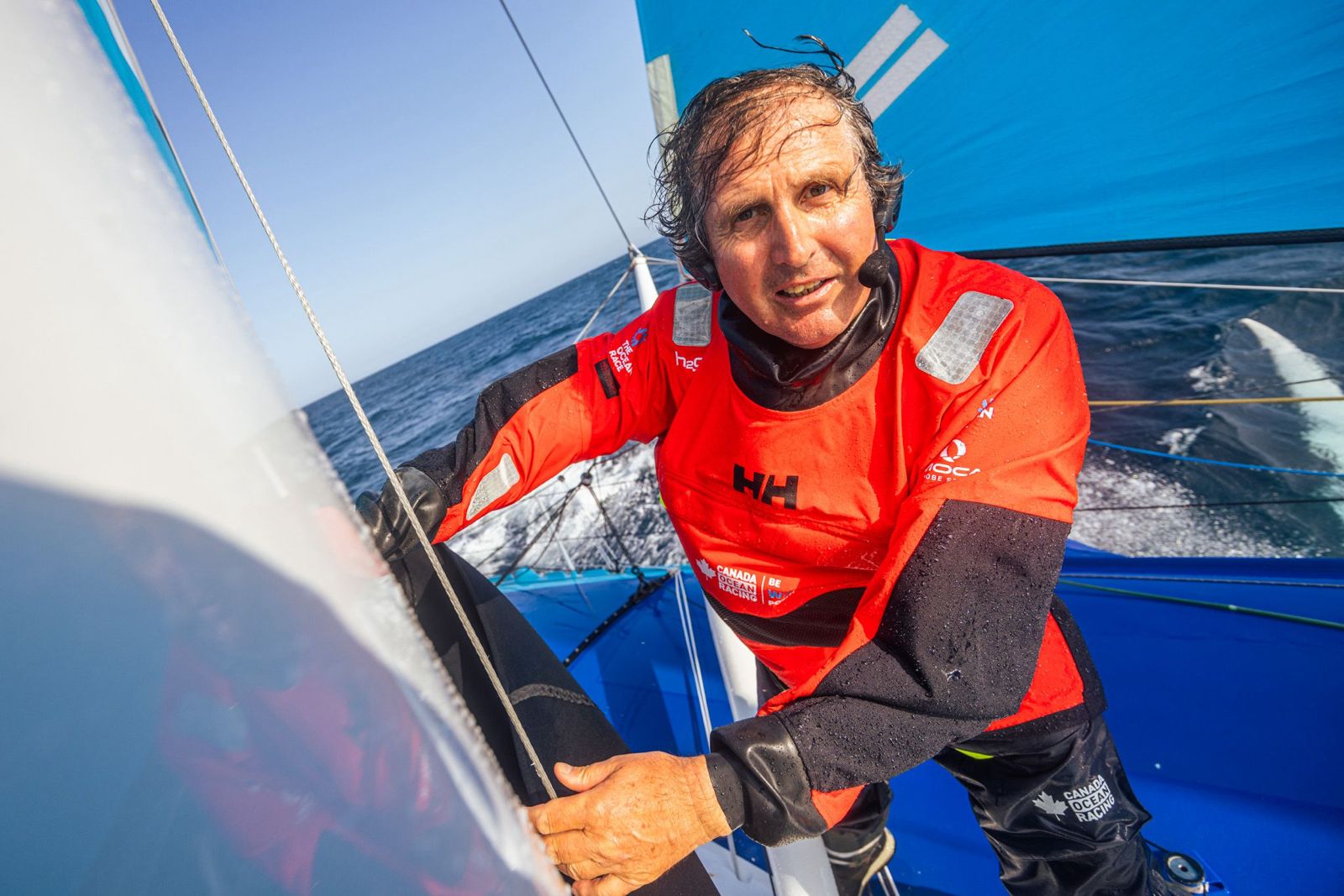
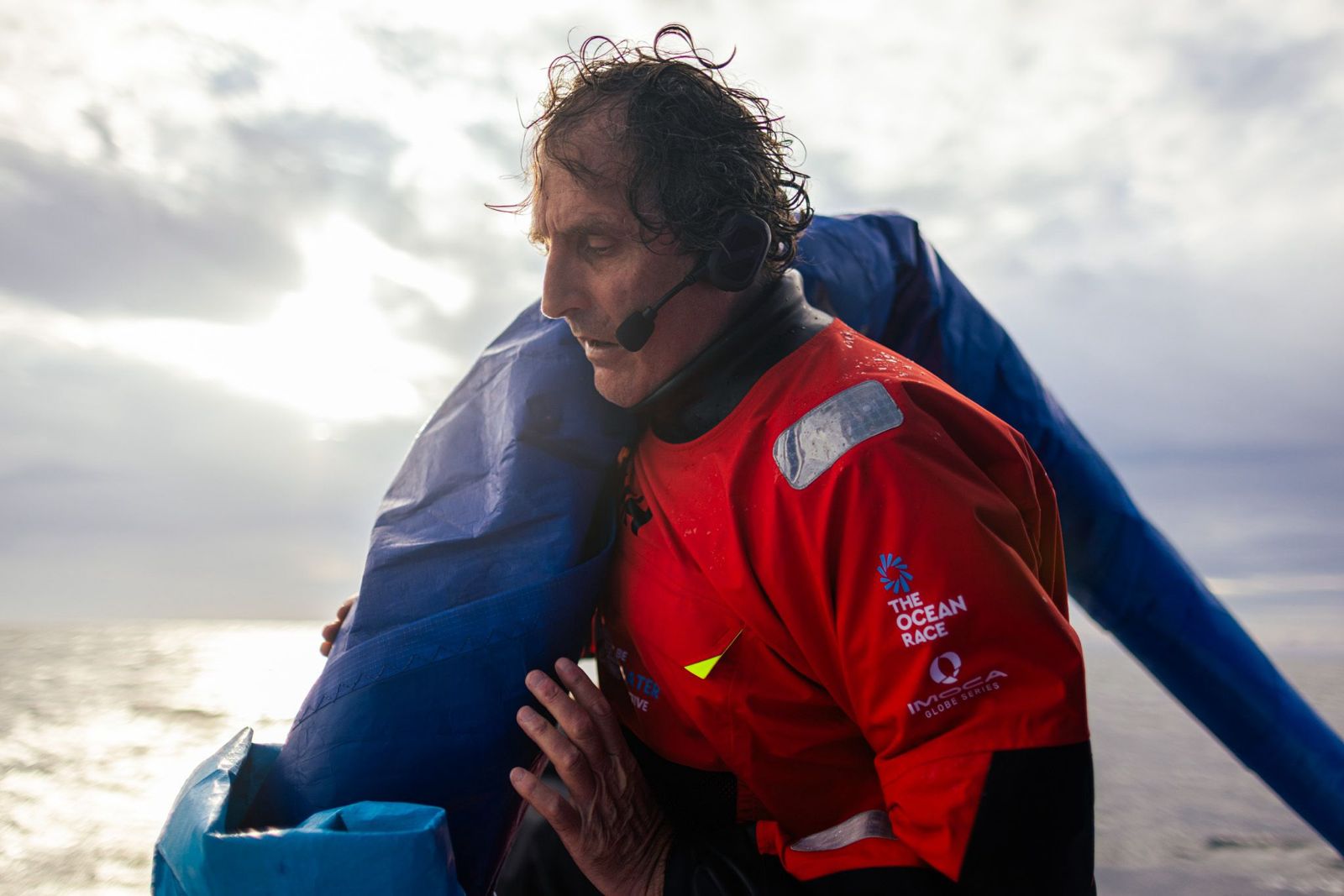
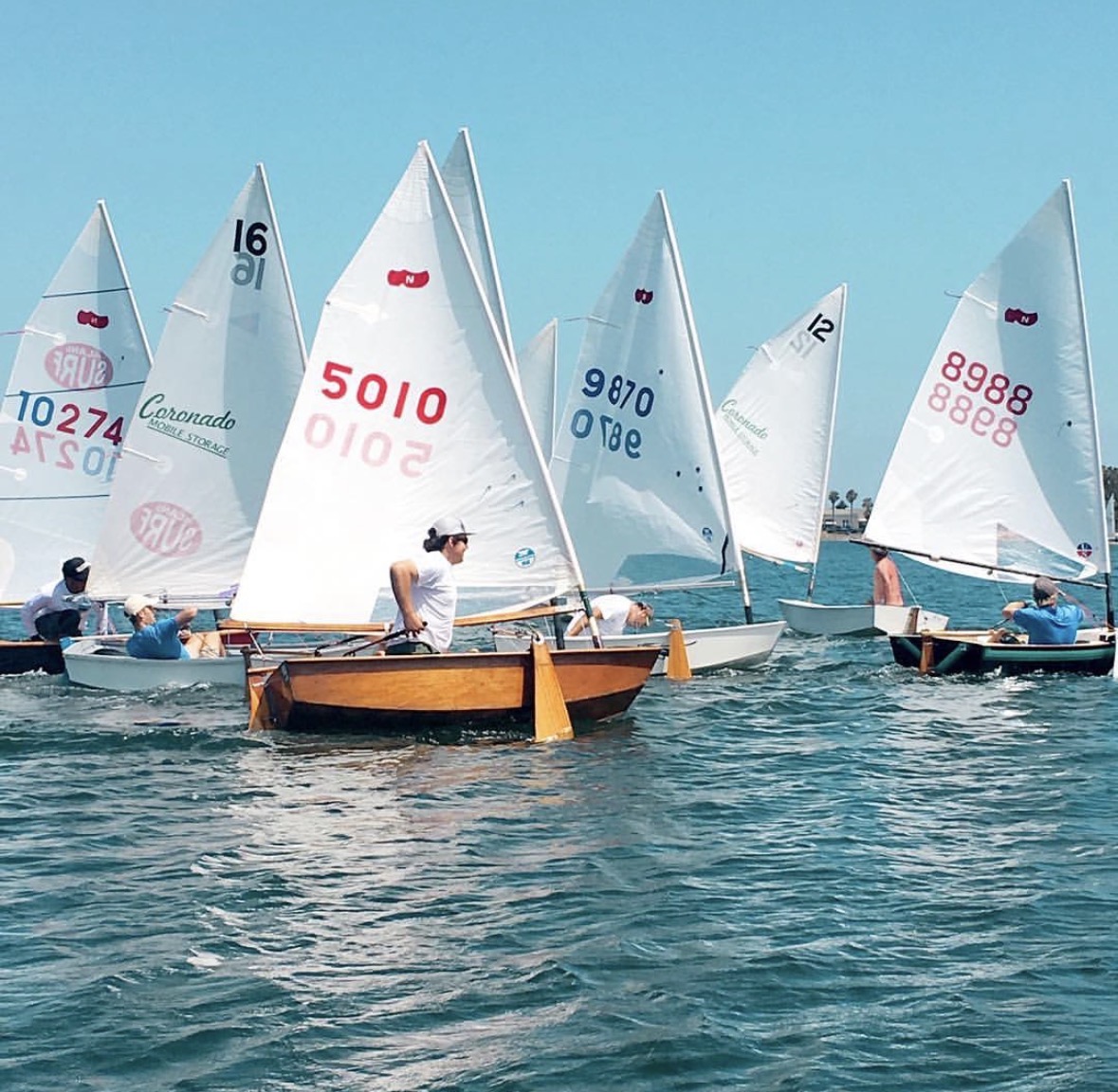
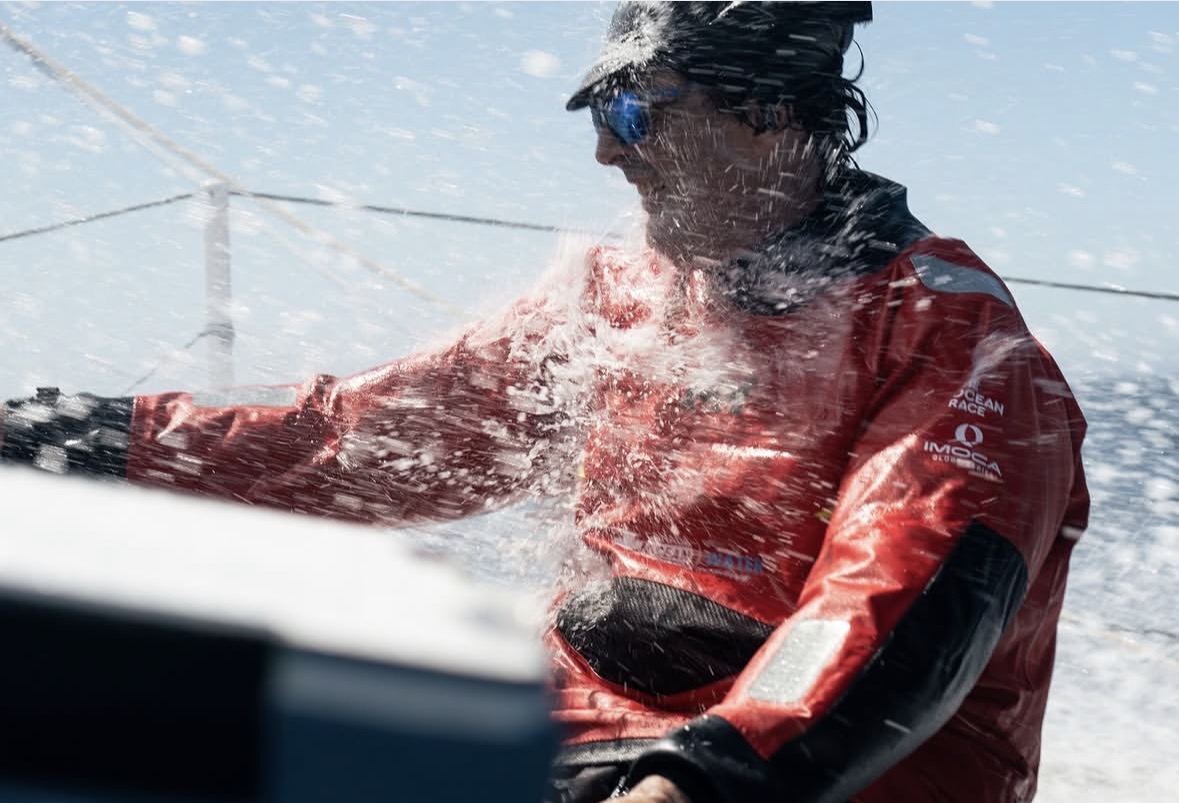
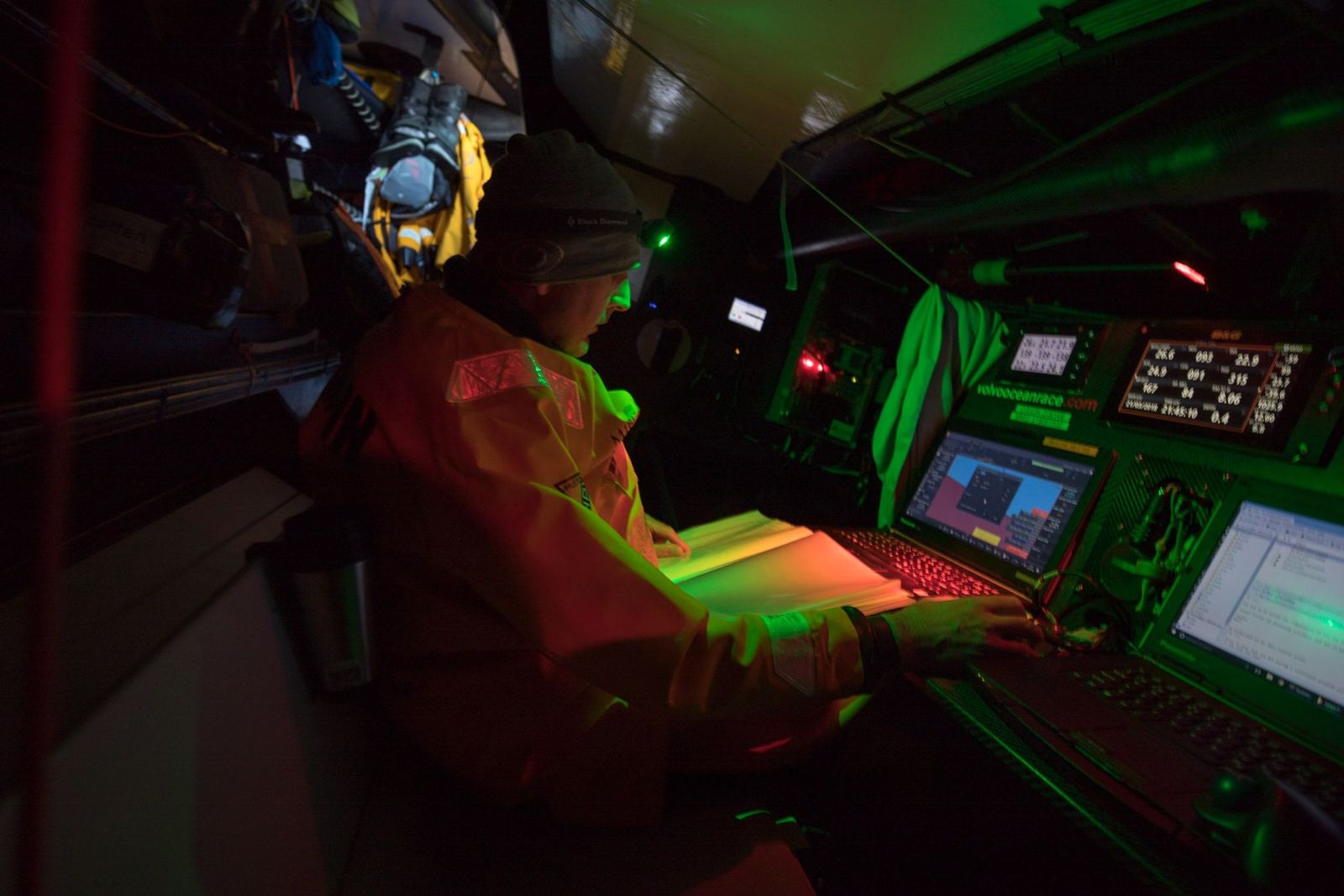
After a two-handed race around Britain, Brian connected with Steve Fossett, joining him aboard the trimaran Lakota. He describes the equivalent of "a couple of hundred thousand miles" alongside Fossett.” Including time on the America's Cup Stars & Stripes catamaran, and through the development and campaign of PlayStation, built in New Zealand, which culminated in a round-the-world record attempt.
"The first English person invited to join the French team for the round-the-world record on Banque Populaire”
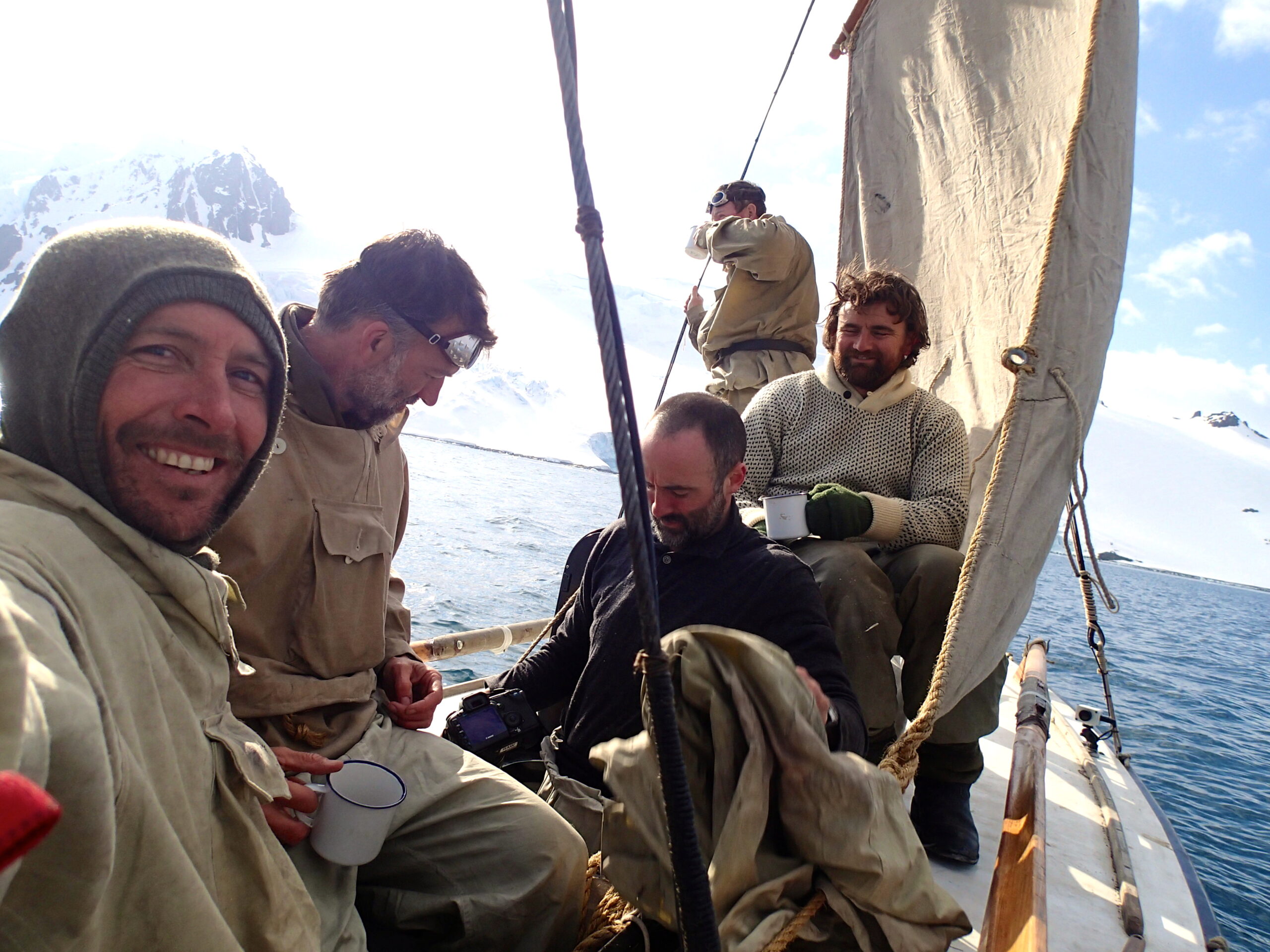
"Yes, I was with that team for about two to three years, around 2011 to 2013," he says. After multiple attempts, the team set a new outright round-the-world record of 45 days under skipper Loïck Peyron. Topping the previous record of 48 days by three days. "It really was a magnificent sail around.” Brian became the first Briton to break the round-the-world speed record and did so twice over his career.
"What was the scariest part of that record?”
During the attempt, the crew spent a week navigating iceberg zones as far south as 62° South, just on the edge of the Antarctic Circle, where it never gets fully dark.
We had to slow down to keep an eye on icebergs. There was one bigger than the Isle of Wight… about 100 metres high. It was a very good thing it wasn't dark — we would have run straight into that one. Quite spectacular.
At those latitudes, there is no realistic rescue. You are thousands of miles from land, operating entirely self-sufficiently. "It's about keeping the boat in one piece," he explains. "Something could break at any moment. And you are very far from any rescue."
The evolution of speed
"Right now, you're here for the 600 on a MOD 70 called Argo. Tell us about that boat — and what you've just achieved with her?"
Just a couple of months before our conversation, Brian and a crew of six sailed Argo from the Canaries to the Caribbean in just under five days, the fastest that route has ever been sailed. Average speed through the water: 28 knots. For five days. Across an ocean. "We took six days of food for a transatlantic," he says, smiling. "We finished with a day to spare."
Crew configuration and watch discipline were central to maintaining that pace. Keeping three people on deck at any time, with a fourth able to step in hourly for manoeuvres like jibing. "That meant we could manage fatigue without sacrificing responsiveness when it mattered," Brian explains.
At sustained high speeds, sail handling becomes a different discipline entirely. "Downwind, the gennaker is trimmed quite tight and you're sailing to a fixed apparent wind angle. You're no longer trimming constantly for wave patterns the way you would on a monohull. You’re effectively overtaking the waves." Weight remained a constant constraint. Three bunks, minimal provisions: six days of food planned against a five-day routing prediction. "The objective was to stay as light as possible while maintaining a safe buffer."
"Tell us about the MOD70 itself, where does it sit in the story of multihull development?”
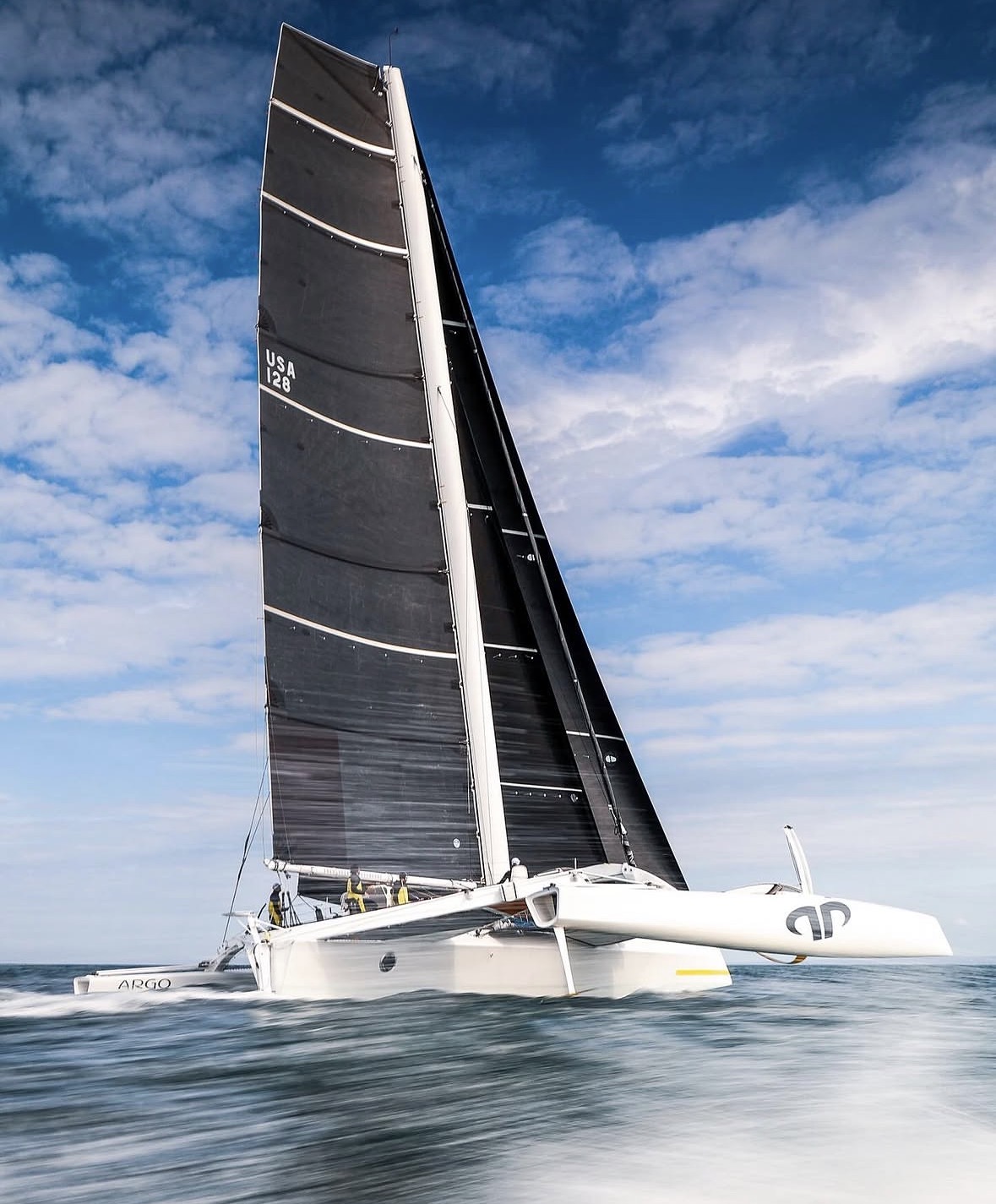
The MOD70 was originally conceived in 2011 as a strict one-design class, seven were built, and all seven are still sailing. It sits at a transitional point in multihull development: evolved from the ORMA 60 class, but conceived before full foiling became the standard. "Those ORMA boats were shorter, wider, with taller rigs," Brian explains. "Renowned for being quick, but also more fragile, and prone to capsizing."
His own experience on the ORMA platform during the Québec–Saint-Malo race, aboard Sergio Tacchini, gave him an early taste of foil-assisted performance. "It had early foils, and downwind performance was exceptional. By canting the rig to windward you increase righting moment, while the foil lifts the leeward hull. That combination made the boat feel both stable and very fast." The MOD70 carries those principles forward within a more controlled and durable package.
On Argo, the leeward side now carries significantly more aggressive foils than the original configuration, along with float rudders. The main lifting foil reduces displacement on the leeward hull, while T-foils manage pitch, controlling whether the boat runs bow-up or bow-down. Rather than active control surfaces, the MOD70 relies on mechanical positioning: moving the entire foil fore and aft changes the angle of attack. "If you want more lift, you adjust its position," Brian says.
Full flight, however, remains out of reach. The main hull carries significant rocker — curved and relatively deep. "When you lift the leeward hull, the central hull stays engaged in the water. You're reducing drag on one side but increasing it on the other. It's always a compromise."
"And the Ultims — how different is that world?"
The contrast is stark. Modern Ultim trimarans are designed specifically for sustained full-flight conditions, T-foils on the central daggerboard and rudder, combined with flatter hull shapes and far less rocker. "That allows them to lift the main hull as well as the leeward hull, effectively flying clear of the water and minimising drag across all surfaces." The performance gap reflects those design choices directly. "Ultims can reach 45 knots. On Argo, we're typically operating in the 30 to 35 knot range."
But Brian is pragmatic about what that gap means in practice. Records are still being broken, just in smaller increments, with greater investment and precision weather routing required for each attempt. "It's like the 100-metre sprint," he says. "You're not going to take huge chunks off anymore."
Sail development
Brian has also been deeply involved in sail development with Doyle Sails Solent, combining hands-on racing experience with technical innovation. On Argo, a mixed inventory between Doyle and North has been developed, and work extends across the Gunboat 80 Agave, Gunboat 68 Little Wing, and the Gunboat 72 Leila.
A key focus has been the structured luff, a new spinnaker design with a reinforced leading edge built from high-strength Stratis material rather than traditional nylon spacer cloth. "It allows you to sail tighter angles and still go downwind, without worrying about the sail blowing out, because the most loaded part is reinforced." A new hybrid fabric, already proven in the Maxi72 fleet, is now moving into performance cruising multihulls."It's stiffer, lighter, stronger, and longer-lasting," he notes, adding that Mylar laminates, long a standard, are beginning to show their limits. "Over time, we'll likely see less of it."
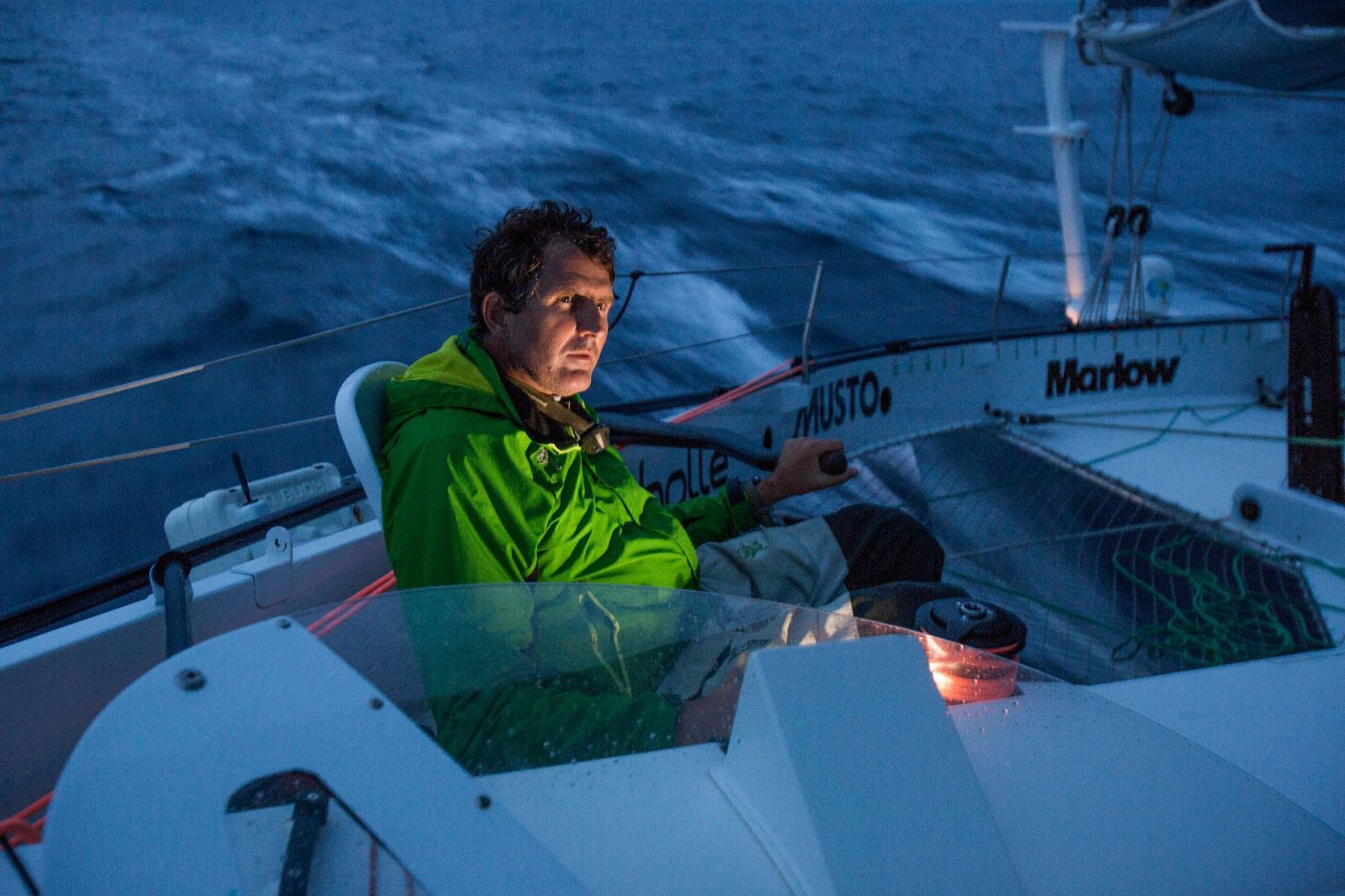
"The performance multihull world feels like it's growing again — what are you most excited about?”
Brian's enthusiasm here is infectious. He talks about the new generation of Gunboats — the 68, the 80, the flybridge 72 — and the dual-purpose dream they represent: part superyacht, part race machine.
"You can cruise beautifully, then race hard. Blend the two. A bit of superyacht, a bit of adrenaline."
He speaks warmly about the HH66, a boat he's raced against multiple times. "Very powerful, very fast, and yet super comfortable. A Le Mans racer you can take to the shops." For many, though, it's a steep learning curve.
"It's like stepping from a road car into a race car, on a wet track.” he explains.
"You need to understand where the limits are, and how to approach them safely.”
As the last light slipped below the horizon and English Harbour faded into dusk, Brian leaned back with the easy confidence of someone completely at home in this world—or rather, on it. Decades of ocean miles, record-breaking campaigns, and close encounters with Antarctic icebergs haven’t made him more cautious. If anything, they’ve had the opposite effect.
There's never been a better time to get into performance multihulls. Nothing beats doing 23 knots through warm Caribbean water and watching someone discover what sailing can really be.
We’ve only scratched the surface here. Head to our YouTube channel for the full interview with Brian, where he dives into the technicalities and shares the stories behind it all.
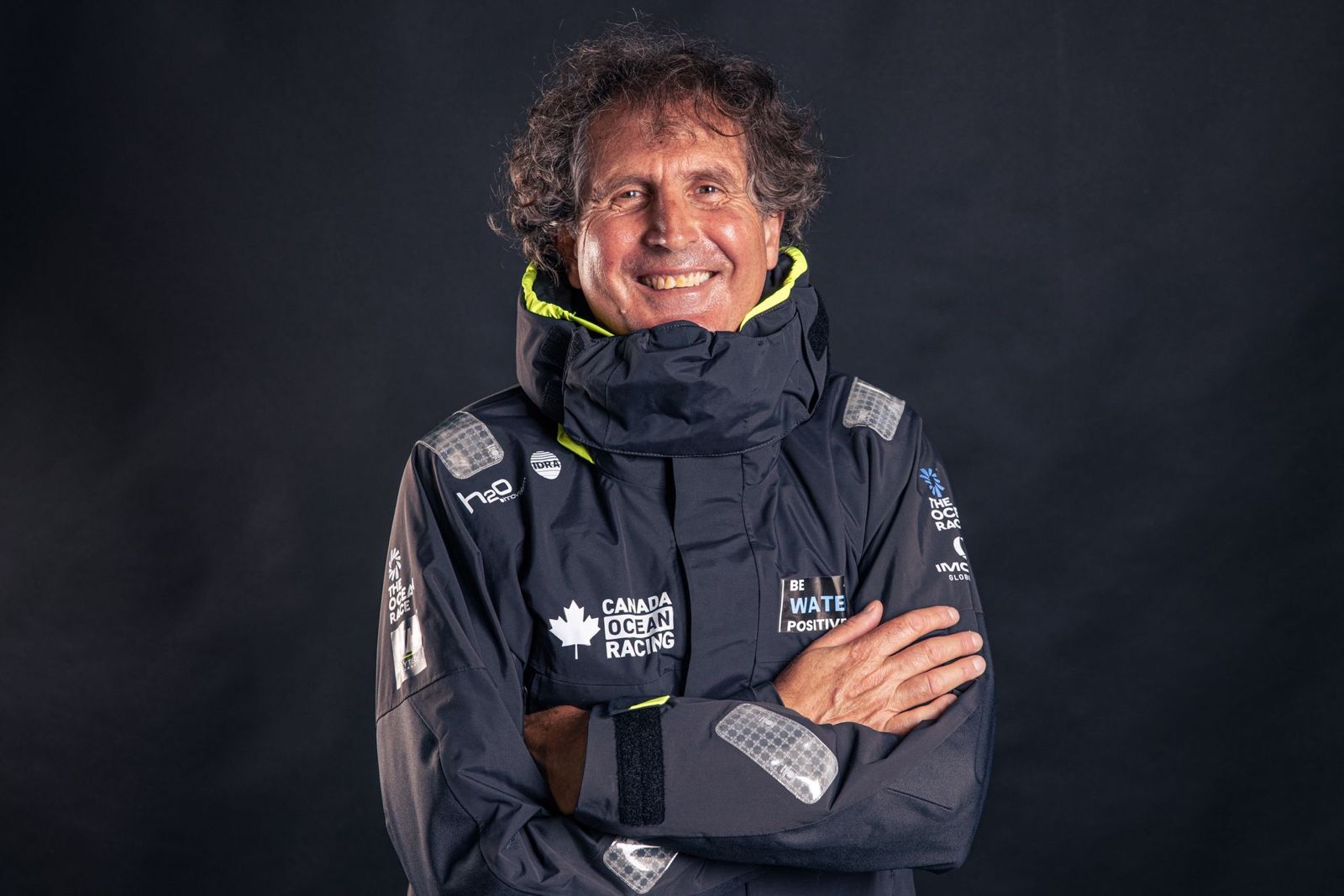
— Brian Thompson, English Harbour, Antigua
01° 24' 37" N, 45° 45' 46" E
Stay up to date with our latest news
Other Articles
